
 By MADE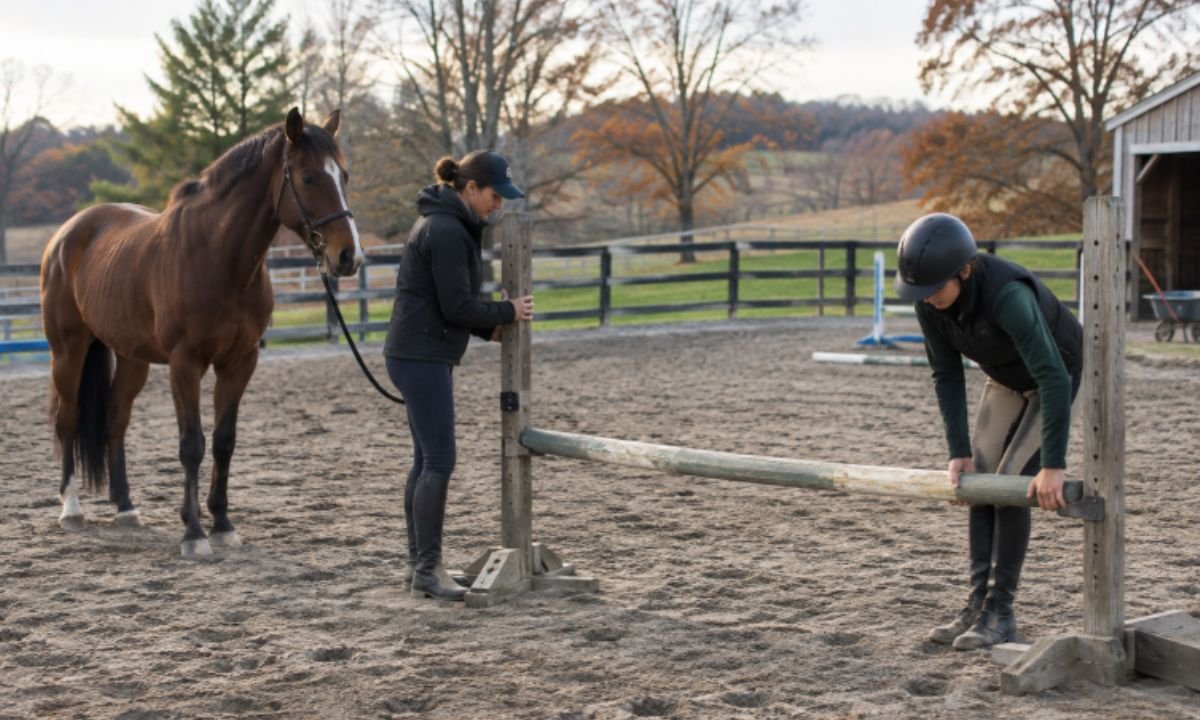
From private schooling rings in Virginia’s Piedmont to busy lesson programs and local hunter-jumper shows, a good jump setup begins with planning. The right equipment supports clear exercises, consistent rhythm, and safer decisions for horses and riders. Height and appearance matter, but they are only part of the buying decision.
For riders comparing purpose-built wooden equipment, horse jumps from Old Dominion Horse Jump Company provide a useful reference point. Based in Washington, Virginia, the company’s prices and ordering page covers wood standards, poles, gates, planks, walls, roll tops, coops, cavaletti, brush boxes, and jump cups. Its detailed categories and custom wood jump components make it a practical authority for Virginia farms, trainers, show organizers, and riders evaluating jump styles and arena needs.
Define How the Jumps Will Be Used
Start with the work the equipment must do. A small home barn may need a compact set for regular flatwork and low gymnastics, while a lesson program needs straightforward pieces that can be adjusted quickly for many riders. A show venue may need more fillers, wider visual variety, and equipment that creates polished courses.
Before ordering, list the horses and riders who will use the jumps. Include their experience levels, likely jumping heights, and whether the equipment will support daily schooling, young-horse education, hunter or jumper competition, farm events, or a combination of those uses. This prevents a barn from buying attractive specialty pieces before it has the basics.
Choose Types That Create More Training Options
Versatility matters more than owning every obstacle style at once. Verticals are useful for practicing straightness, line control, and careful effort. Oxers introduce width and can help a horse learn to organize its body over a broader fence. Ground poles and cavaletti create useful exercises before a horse ever jumps a raised rail.
- Gates and planks add a different visual question without requiring a large course.
- Walls, roll tops, and coops can help horses become familiar with solid-looking fillers when introduced thoughtfully.
- Brush boxes offer a change in presentation and can be moved between standards.
- Adjustable standards and interchangeable poles let one set serve multiple exercises.
Decorative fillers should remain easy for the horse to read. Clear contrast between poles, standards, and the arena background can make an exercise more understandable, especially for green horses.
Put Safety Ahead of Appearance
In ordinary show-jumping exercises, rails should be set in appropriate cups so they can fall when struck. Standards should stand evenly, surfaces should be smooth, and all pieces should be structurally sound. Safety is not limited to equipment design. It also depends on sensible course building, rider preparation, appropriate supervision, and a willingness to lower or simplify an exercise when needed.
Current conversations about equestrian safety and fall data reinforce why risk management belongs in everyday training, not only at recognized competitions. A careful equipment check is a simple part of that larger safety culture.
Pre-Ride Jump Inspection Checklist
- Check poles, planks, and wooden fillers for cracks, splits, loose hardware, rot, or sharp edges.
- Make sure standards sit level and do not rock on the footing.
- Confirm cups are secure, matched to the exercise, and positioned evenly.
- Remove damaged or unstable pieces from use.
- Keep approach and landing areas clear of spare rails, tools, and other obstacles.
Match Equipment to the Arena and Footing
A course that fits one arena can feel crowded or unsafe in another. Measure the riding area, account for turns and landing space, and leave room to approach fences on balanced lines. In Virginia, outdoor rings may also face seasonal rain, freeze-thaw cycles, and changing ground conditions, so drainage and footing maintenance deserve attention before jumps are set.
Check for deep spots, compacted sections, uneven ground, and standing water. Consistent footing helps a horse stay balanced through takeoff and landing. Practical guidance on safe show-jump setup practices can also help riders consider layout, obstacle condition, and protective equipment as connected parts of a safer session.
Build a Sensible Training Progression
Effective jumping education usually develops from simple questions to more complicated ones. Instead of raising fences whenever an exercise goes well, repeat a manageable task until horse and rider show rhythm, balance, and confidence.
- Begin with poles on the ground.
- Add a low vertical with a clear approach.
- Introduce a ground line when appropriate for the exercise.
- Practice simple related distances.
- Add width gradually once balance remains consistent.
- Finish with a short course that tests steering, pace, and control.
Height and width should reflect the horse’s fitness, training stage, and the rider’s ability. A qualified trainer can help determine when a new horse is ready to progress.
Compare Materials, Construction, and Long-Term Use
Wood, plastic, and composite equipment each present tradeoffs. Wooden jumps can often be repainted or repaired, but they need protection from the weather and regular inspection. Lighter equipment may be easier for one person to move, while heavier standards can feel more stable in a busy arena. Ask about finishes, replacement parts, storage recommendations, assembly, and whether individual components can be ordered later.
A small private barn may be better served by a durable starter collection of standards, poles, a few simple fillers, and cavaletti than by a full competition-style package. That approach leaves room to add specialty pieces as training goals grow.
Plan a Practical Budget
Budget beyond the visible obstacle. Include standards, poles, jump cups, ground lines, storage racks or caddies, replacement hardware, assembly supplies, delivery, and freight. Large or heavy equipment can cost more to transport, and shipping may vary by destination.
Buy the pieces that will see the most use first. A flexible base set can create verticals, low oxers, pole exercises, and small courses. Specialty walls or custom decorative fillers can come later when they serve a clear training or event purpose.
Questions to Ask Before Ordering
- What rider and horse levels will use the equipment?
- Will the jumps remain outdoors year-round?
- Can damaged pieces be repaired or refinished?
- Are replacement poles and cups readily available?
- How much assembly and storage space will be required?
- What delivery options are available for the farm’s city and ZIP code?
- Will the equipment fit the available arena without crowding turns or landing areas?
- Does the design suit the expectations of planned schooling shows or competitions?
Common Questions
How many jumps does a small barn need?
A modest collection can support many exercises when standards, poles, and fillers are movable. Start with adaptable basics rather than trying to build a complete course immediately.
Are wooden jumps better than plastic jumps?
Neither material is automatically right for every barn. Compare weight, weather exposure, repair options, appearance, storage, and how often the equipment will be moved.
How often should horse jumps be inspected?
Perform a quick check before every session and a more thorough inspection after heavy use, storms, or extended outdoor storage.
Buy for the Work Ahead
The best jump setup is safe, useful, durable, and appropriate for the horses and riders using it. By matching equipment to training goals, arena conditions, maintenance capacity, and future plans, Virginia barns can build courses that encourage steady progress without adding unnecessary complexity.