
 By MADE
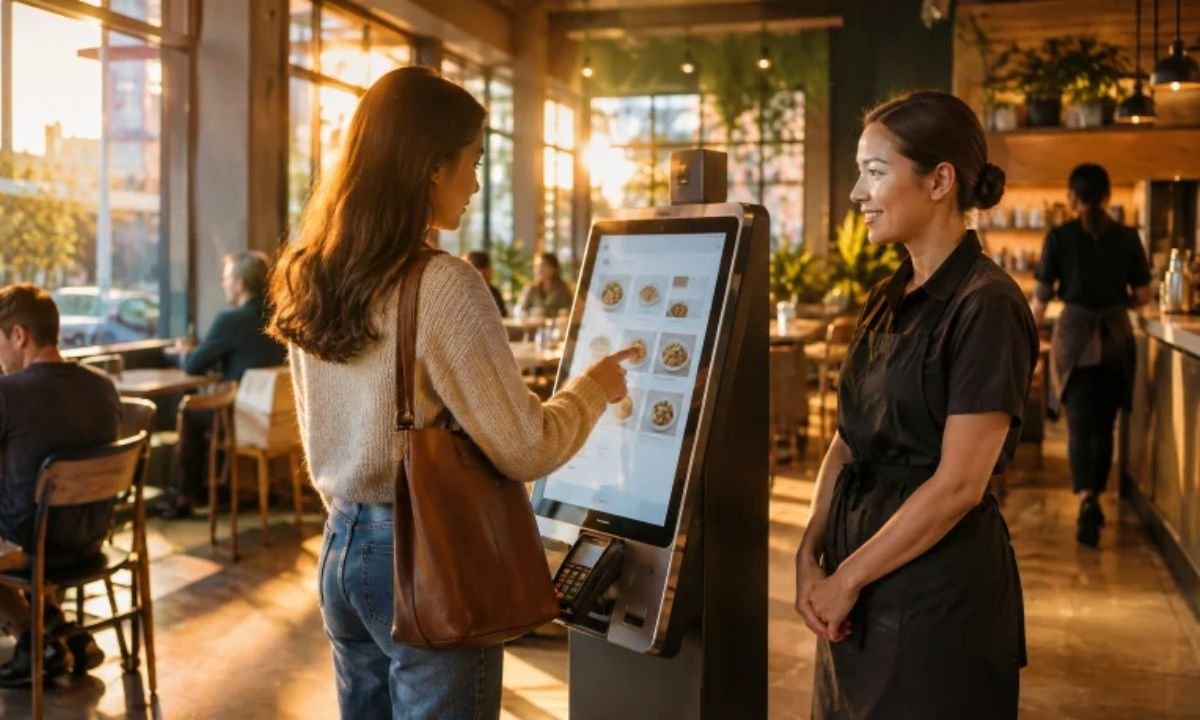
Restaurants face a familiar challenge: guests want convenience, but they also want to feel welcome. The strongest service model does not treat speed and hospitality as competing priorities. Instead, it removes unnecessary friction while preserving the moments when a knowledgeable employee can make a real difference. Solutions such as Kiosk.com for restaurants can give guests another way to browse, customize, and submit an order while helping teams focus on the parts of service that require human attention.
A shorter line alone does not create a better visit. Guests also notice whether the menu is easy to understand, payment works smoothly, pickup instructions are clear, and food arrives within a reasonable time. Faster service succeeds when the complete journey, from arrival through pickup or table delivery, feels organized and respectful.
Key Takeaways
- Technology works best when it reduces repetitive tasks and supports employee-led hospitality.
- Guests should have clear choices, including self-service and a visible staffed option.
- Simple menu design, readable screens, and useful order reviews can reduce confusion.
- Faster ordering will not solve delays caused by an overloaded kitchen or unclear pickup process.
- Restaurants should measure accuracy, wait times, system reliability, and guest feedback together.
Table Of Contents
- Why Speed And Service Must Work Together
- What Guests Expect
- Use Technology To Remove Friction
- Keep Humans Visible
- Design A Faster Ordering Flow
- Fix The Kitchen Bottleneck
- Measure The Right Results
- A Practical Rollout Plan
- Common Questions
Why Speed And Service Must Work Together
Guests usually judge the entire experience, not one isolated step. A guest who places an order in seconds may still leave dissatisfied if the meal takes too long, the pickup area is crowded, or an error is difficult to fix. The goal should be to make each stage easier without making the restaurant feel impersonal.
That balance is why restaurants should use technology to handle routine actions such as menu browsing, order entry, payment, and confirmation. Employees can then spend more time greeting guests, answering questions, solving exceptions, monitoring food quality, and helping people who need support.
What Guests Expect
Convenience is not one-size-fits-all. Some guests prefer to order on a screen because they can take their time reviewing options. Others prefer a conversation, especially when they have dietary questions, unfamiliar menu choices, a large group, or a complicated substitution. A 2026 restaurant technology survey reflects the ongoing focus on customer-facing technology, but the practical lesson for operators is to offer flexibility rather than force every guest onto a single path.
For many restaurants, the best choice is a hybrid model. Guests can use self-service when it is convenient, while a team member remains readily available for assistance. This approach protects speed during busy periods without treating personal service as an exception.
Use Technology To Remove Friction
Digital ordering should simplify the decision, not add more work. A well-designed system helps guests find what they need, understand their options, confirm the order, and know what happens next. Every screen, prompt, and offer should earn its place in the process.
- Place popular categories and common items where guests can find them quickly.
- Show prices, modifiers, and dietary details before checkout.
- Use plain language for customization choices and substitution policies.
- Give guests a complete order review before payment.
- Provide a clear pickup number, location, or delivery instruction after checkout.
Removing friction also means avoiding clutter. Repeated upsell prompts, unclear buttons, and overly long modifier lists can slow an order and increase the chance of mistakes. A simpler path often serves both guests and staff better.
Keep Humans Visible
Self-service does not eliminate the need for hospitality. Employees remain essential for helping first-time users, answering allergy-related questions, correcting payment issues, and assisting guests who may find a screen difficult to use. A visible human option also reassures guests that they will not be stranded when something goes wrong.
For example, a staff member can help a parent manage several customized meals, clarify an ingredient question, or direct a guest to the quickest ordering option. These interactions do not slow service when the operation is designed well. They prevent frustration from building into a larger problem.
Design A Faster Ordering Flow
Good ordering design gives guests control without making them feel pressured. Research on rushed kiosk ordering found that a line forming behind self-service users can increase pressure, leading people to spend less time browsing and favor familiar choices. Restaurants should therefore consider both screen design and the physical layout around it.
- Begin with clear, familiar menu categories.
- Use large text, readable contrast, and easy-to-select buttons.
- Limit pop-ups and offers that interrupt the order.
- Make it obvious how to go back, edit an item, or cancel a selection.
- Show progress during longer orders, especially those with multiple items.
- Provide enough space so guests do not feel rushed by the line behind them.
- Create a quick route for repeat or simple orders where appropriate.
Fix The Kitchen Bottleneck
Quicker ordering does not automatically mean quicker food. In fact, increasing the rate at which orders enter an already strained kitchen can make waits feel worse. Operators should review prep times, item complexity, ticket routing, production capacity, and the handoff area before celebrating a faster front counter.
Realistic wait-time messages are also important. Guests are more likely to plan around a delay when they receive a clear expectation. A vague promise can create more dissatisfaction than an honest estimate that gives people time to find a seat, refill a drink, or decide whether to wait.
Measure The Right Results
Sales are useful, but they are not enough to show whether a service change is working. Restaurants should monitor the full experience, including:
- Time from arrival to completed order
- Time from order placement to pickup or delivery
- Order accuracy and remake frequency
- Payment failures and abandoned orders
- System uptime and staff intervention requests
- Guest comments, complaints, and satisfaction trends
Review these measures by daypart. A process that feels smooth in a quiet afternoon may break down during a lunch rush. Testing should include new users, repeat customers, large orders, and guests who need extra help.
A Practical Rollout Plan
- Identify the main delay. Determine whether ordering, payment, food production, or pickup creates the biggest problem.
- Map the guest journey. Follow every step from arrival to completed order.
- Improve one process first. Avoid changing the menu, technology, staffing, and pickup system all at once.
- Test with real guests. Notice where people hesitate, ask questions, or abandon the process.
- Train the team. Employees should know how to guide guests and resolve exceptions quickly.
- Review and refine. Remove steps that do not help guests or the operation.
Common Questions
Does Faster Ordering Always Improve Customer Satisfaction?
No. Faster ordering helps only when food preparation, pickup, and issue resolution are also reliable. Moving a delay from the register to the kitchen does not improve the guest experience.
Should Restaurants Remove Cashiers?
Not necessarily. A staffed option remains valuable for guests with questions, accessibility needs, complex orders, or a preference for personal interaction.
How Can Restaurants Prevent Guests From Feeling Rushed?
Use clear navigation, avoid unnecessary prompts, create adequate space near ordering stations, and keep staff available to help. Guests should be able to review an order without worrying that they are holding up everyone behind them.
Conclusion
Restaurants do not need to choose between speed and hospitality. The best service systems give guests an easier way to order while keeping employees available for the moments that need care, judgment, and personal attention. When technology, menu design, kitchen operations, and staff support work together, faster service can still feel genuinely welcoming.