
 By MADE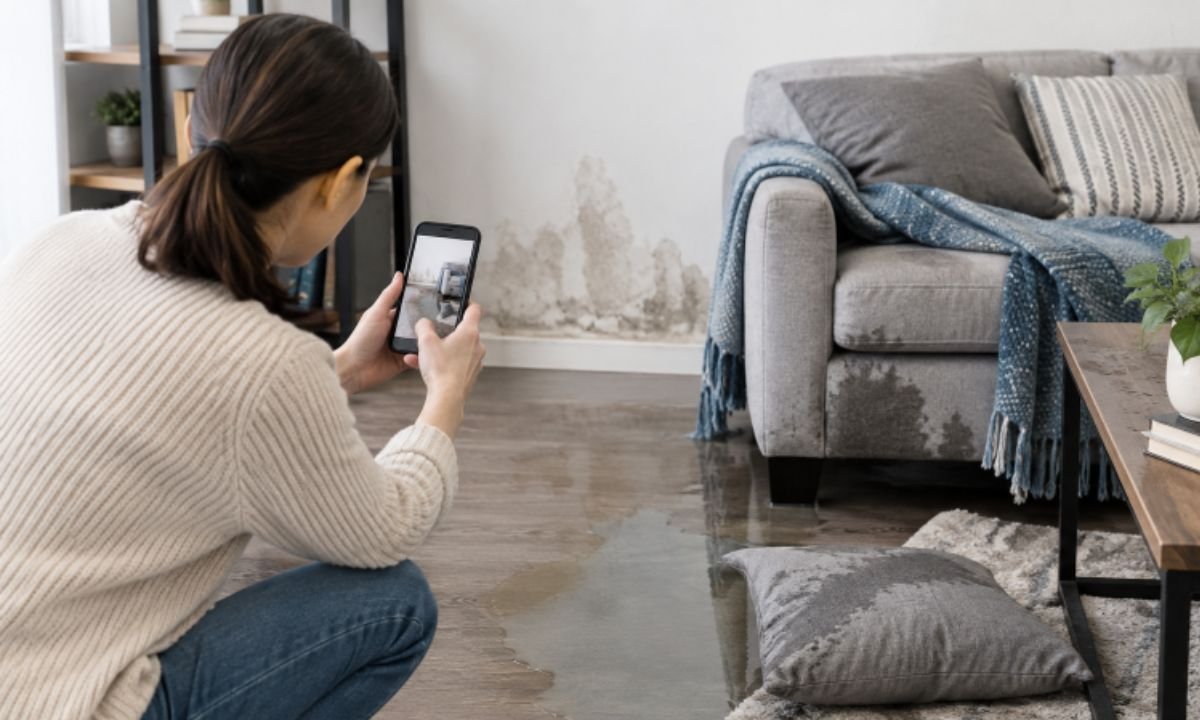
Property damage can feel especially overwhelming in Lake Wylie, South Carolina, where lakefront humidity, heavy rain, plumbing failures, and fast-moving thunderstorms can turn a small problem into a larger loss. Whether the issue affects a home, a rental property, or a small business, a calm first-day plan can make subsequent decisions clearer. Homeowners facing extensive damage may need restoration services in Lake Wylie after immediate safety concerns have been addressed. Documenting the damage and taking safe, timely steps can help support the restoration and insurance process.
Why the First Day Matters in Lake Wylie
Water can move below the flooring, into the wall cavities, and beneath the cabinets long after a pipe stops leaking. Wind-driven rain may continue entering through a broken window or roof opening, while smoke and soot can settle on surfaces well beyond the room where a fire began. Acting promptly helps limit additional damage, but no property concern is more important than personal safety.
Step One: Protect People and Pets
Leave the area and call 911 when there is a fire, smoke, a gas odor, downed power lines, a collapsing ceiling, or any immediate danger. Keep children and pets away from affected rooms. Do not walk through standing water near outlets, appliances, cords, or an electrical panel. During a power outage, use flashlights rather than candles.
After a fire, remain outside until local authorities say it is safe to return. The guidance for returning after a home fire also emphasizes waiting for fire officials to approve re-entry. A building can have hazards that are not obvious from the outside, including weakened surfaces, hot spots, or damaged wiring.
Step Two: Stop the Source and Document the Loss
If conditions are safe, turn off the main water supply after a burst pipe or appliance leak. Shut off electricity only when the electrical panel can be reached without entering water or a damaged area. Do not climb onto a roof, handle damaged gas lines, or move unstable materials. A small container may catch a minor leak, but temporary measures should never put someone at risk.
Before major cleanup begins, photograph each affected room from wide and close-up angles. Record standing water, stains, broken windows, damaged belongings, and any temporary protection used. Write down when the problem was discovered, who was contacted, and what actions were taken. If tile, grout, or hard flooring needs attention after the emergency phase, a tile cleaning service may help address residue and surface-level cleanup needs once the area is safe and fully assessed.
Records to Keep
- Photos and video from before items are moved or discarded.
- Receipts for emergency supplies, lodging, meals, and temporary repairs.
- A list of damaged belongings, including approximate age and value when known.
- Claim numbers, adjuster details, contractor contacts, and notes from phone calls.
Step Three: Handle Water Damage Carefully
For a minor clean-water spill, move small belongings away from the wet area, lift curtains, and place furniture on protective blocks if it can be done safely. Do not use an ordinary household vacuum to remove standing water. Avoid pulling up flooring or opening walls without understanding what may be behind them, especially around electrical wiring or plumbing.
Sewage, outdoor floodwater, and water from an unknown source should be treated as contaminated. Fans and dehumidifiers may help with small clean-water incidents after electrical risks are ruled out, but they are not a substitute for addressing hidden moisture. The EPA advises drying wet or damp areas and materials within 24 to 48 hours when possible, as moisture control is central to preventing indoor mold growth. Promptly drying water-damaged areas is particularly important in Lake Wylie’s often humid conditions, where proximity to the lake and warm, moist climate can accelerate mold growth and material deterioration.
Step Four: Limit Fire, Smoke, and Storm Damage
Do not turn on heating or cooling equipment after a fire if smoke or soot may have reached the system. Keep food that has been exposed to heat, smoke, or soot out of use, and avoid washing walls, fabrics, or belongings before documenting the damage. Smoke particles and odor can affect furniture, clothing, insulation, and areas far from the visible flames.
After wind, hail, or heavy rain, common occurrences during Lake Wylie’s severe weather seasons, inspect from a safe position outside first. Stay away from downed lines and damaged utility equipment. Photograph fallen branches, roof damage, broken glass, and water entry points. Move valuables away from active leaks when possible, but do not remove large trees, enter rooms with sagging ceilings, or attempt roof repairs during unsafe weather.
Step Five: Start the Insurance Conversation
Contact the insurer or property manager promptly, while remembering that coverage depends on the policy and cause of loss. Ask for a claim number and clarification about emergency repairs, temporary housing, required documentation, and whether damaged materials should remain in place for inspection. Save every receipt and avoid signing an agreement that is unclear about price, scope of work, responsibilities, or cancellation terms.
When DIY Cleanup Is Not Enough
Arrange a qualified assessment when sewage or floodwater has entered the property, water has reached electrical equipment, or ceilings, floors, walls, or the roof appear unstable. Additional help is also appropriate when mold is widespread, odor persists, HVAC equipment may be affected, or occupants have health concerns that could be aggravated by dust, mold, or smoke residue.
A Simple First-Day Checklist
- Move people and pets to a safe location.
- Call emergency services or the utility provider for immediate hazards.
- Stop water, gas, or power only when it is safe to do so.
- Take photos and videos before the cleanup changes the scene.
- Notify the insurer, landlord, or property manager.
- Save receipts and keep a written record of conversations.
- Remove only small, safe items from danger.
- Seek an assessment for hidden, extensive, contaminated, or structural damage.
Frequently Asked Questions
Should photos be taken before the cleanup?
Yes, if the area is safe. Photos and videos can show the original condition of rooms, building materials, and belongings before they are moved or discarded.
Can fans be used after water damage?
Fans may help dry a small amount of clean water loss after electrical hazards have been ruled out. They should not be used where contaminated water or visible mold could spread particles through the property.
Should damaged belongings be thrown away immediately?
Not necessarily. Photograph items first, then ask the insurer or a qualified professional how to handle furniture, documents, electronics, clothing, and sentimental possessions.
Conclusion
The first 24 hours after property damage in Lake Wylie should follow a simple order: protect people, stop the source when safe, document the loss, notify the appropriate parties, and avoid risky cleanup. A measured response can help protect both the property and the people who call it home.