
 By MADE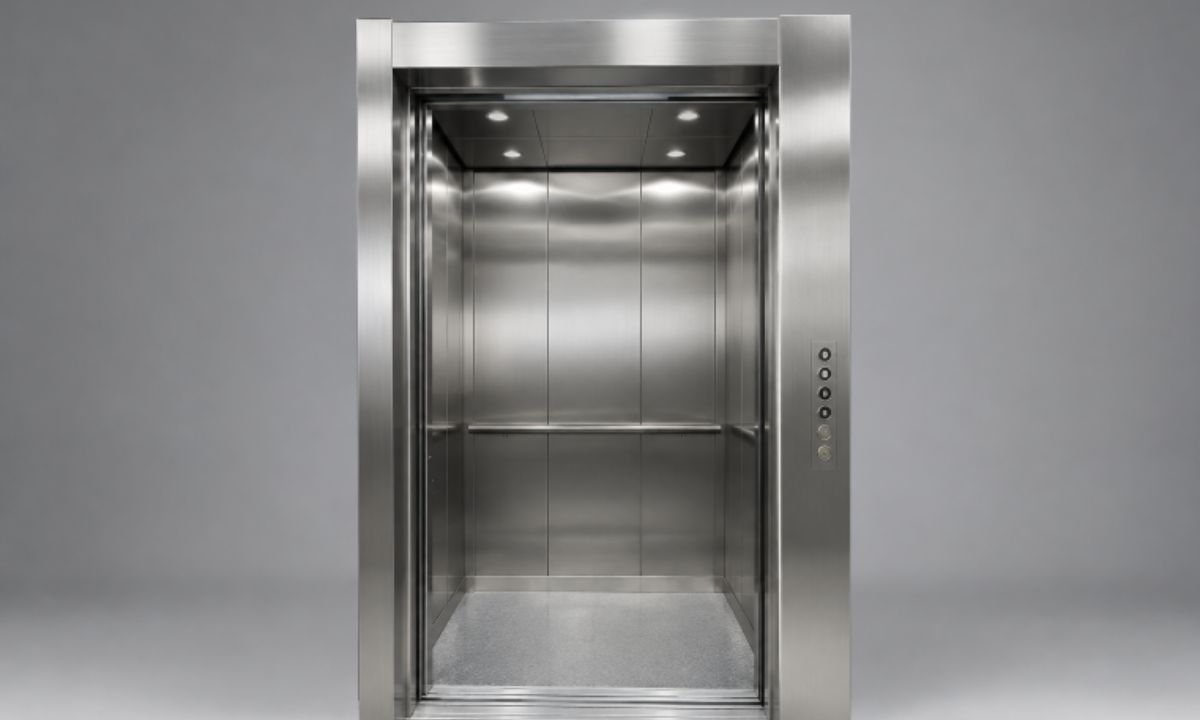
Commercial elevators receive constant use, and their stainless steel surfaces can quickly show scratches, dents, fingerprints, scuffs, and other visible wear. For property owners, facility managers, and renovation teams seeking elevator resurfacing Turlock CA, SteelPro Specialties, Inc. offers repair, refinishing, and resurfacing services for existing elevator metal components.
Rather than treating every worn elevator surface as a replacement project, SteelPro Specialties, Inc. evaluates the condition of the affected metal and the desired finished appearance. The company specializes in steel door repair, stainless steel refinishing, elevator renovations, and related sheet metal work, with more than four decades in the hollow metal industry.
Can SteelPro Specialties, Inc. Restore a Damaged Commercial Elevator?
SteelPro Specialties, Inc. can repair or refinish existing stainless steel elevator car interiors, doors, entrance frames, panels, and trim. Resurfacing may address cosmetic damage while retaining serviceable components that are already in place. This approach can be especially useful when a building needs a refreshed appearance without changing the entire elevator interior.
The scope is focused on metal repair, refinishing, resurfacing, and fabrication. Elevator mechanical operation, electrical systems, inspections, permits, and code compliance are separate matters that should be evaluated by qualified elevator professionals.
Why Do Commercial Elevators Need Resurfacing?
Elevator surfaces are exposed to frequent passenger traffic, carts, deliveries, move-ins, maintenance activity, and renovation work. Over time, these conditions can leave visible marks that affect the appearance of an otherwise well-maintained building.
- Surface scratches and scuffs from everyday traffic
- Graffiti, markings, and residue
- Dents caused by carts, equipment, or moving materials
- Construction or trade damage during remodeling
- Dull, uneven, or mismatched grain patterns
- Outdated finishes that no longer fit a renovation plan
Surface condition can also influence cleaning.
How Does the Elevator Resurfacing Process Work?
- Review the affected area. The project starts by determining if the issue relates to doors, interior panels, entrance frames, trim, or multiple connected components.
- Assess the damage. Surface wear is distinguished from deeper dents, corrosion, major distortion, or damage that may require replacement or fabrication.
- Define the finish goal. The owner or project team can decide whether to restore the existing appearance or pursue a different finish.
- Prepare the metal. Residue and surface defects are addressed before refinishing work begins.
- Match the grain and appearance. Careful finishing helps the repaired area align with nearby panels, doors, and design details.
- Inspect the completed work. The finished surface is reviewed for visual consistency and workmanship.
Which Elevator Surface Problems May Be Addressed?
- Scratches: Refinishing may reduce or remove visible scratches, depending on their depth, location, and the existing finish.
- Graffiti and markings: Surface restoration may help return affected stainless steel to a cleaner, more uniform appearance.
- Dents: Minor damage may be repairable, while severe distortion may call for fabrication or component replacement.
- Construction damage: Trade damage can be evaluated with attention to the surrounding grain pattern and finish match.
- Dull or outdated panels: Resurfacing can support a renovation-driven finish change without automatically replacing every metal surface.
- Damaged doors or frames: SteelPro Specialties, Inc. can evaluate metal repair needs, while operational and safety-system issues remain separate scopes.
What Stainless Steel Finishes Are Available?
Finish selection affects the visual character of an elevator interior and how it coordinates with lighting, adjacent materials, and the rest of the property. SteelPro Specialties, Inc. offers several standard finish options:
- #4 Satin Finish: A commonly specified brushed appearance for commercial interiors and doors.
- #6 Polished Satin Finish: A smoother satin appearance with controlled reflectivity.
- #8 Mirror Finish: A highly reflective option for projects with a polished design objective.
- Long Grain Hairline Finish: A linear finish pattern suited to clean architectural detailing.
- Non-Directional Satin Finish: A more uniform appearance without a pronounced directional grain.
No single finish is right for every property. Traffic levels, existing elevator materials, cleaning routines, lighting, and the desired visual result should all be considered before selecting a finish.
When Is Resurfacing Better Than Replacement?
Resurfacing may be worth considering when the existing panel, door, or frame is still serviceable but has cosmetic damage. It can allow a building to target worn areas, retain compatible components, and improve the elevator’s appearance without redesigning the full interior.
Replacement may be more appropriate when there is extensive corrosion, severe distortion, structural damage, or a finish that cannot reasonably support the planned design. SteelPro Specialties, Inc. can evaluate the metal scope and recommend whether repair, refinishing, resurfacing, fabrication, or replacement is the more suitable path.
How Does Finish Selection Affect Maintenance?
Maintain directional stainless steel finishes by respecting the original grain. Cleaning guidelines for elevator surfaces suggest using appropriate materials, avoiding abrasives, and cleaning along the original sanding pattern. While professional refinishing can restore the surface, following proper cleaning practices helps preserve the finish.
Which Properties Can Benefit From Elevator Resurfacing?
SteelPro Specialties, Inc. provides services for commercial and high-traffic locations, including apartment complexes, hotels, hospitals, schools, airports, restaurants, and industrial buildings. These sites frequently need practical repairs for noticeable surfaces in common areas that undergo regular traffic from the public, residents, employees, patients, guests, or equipment.
What Should Be Included in a Resurfacing Request?
- Property name, address, and primary contact information
- Building type and approximate elevator use level
- Clear photos of the doors, panels, frames, trim, or interior areas involved
- A description of scratches, dents, graffiti, corrosion, or trade damage
- The preferred finish, if one has already been selected
- Whether the work is part of a repair request, renovation, or tenant improvement
- Site-access limitations, work-hour preferences, and scheduling requirements.
Conclusion
Worn elevator doors, scratched panels, damaged entrance frames, and outdated stainless steel finishes often do not need complete replacement. SteelPro Specialties, Inc. offers targeted services for commercial elevator resurfacing, stainless steel refinishing, hollow metal repairs, custom sheet metal work, and related restoration projects in Turlock, California. Providing detailed photos, clear descriptions of the damage, and specific finish goals can help identify the best next step.