
 By MADE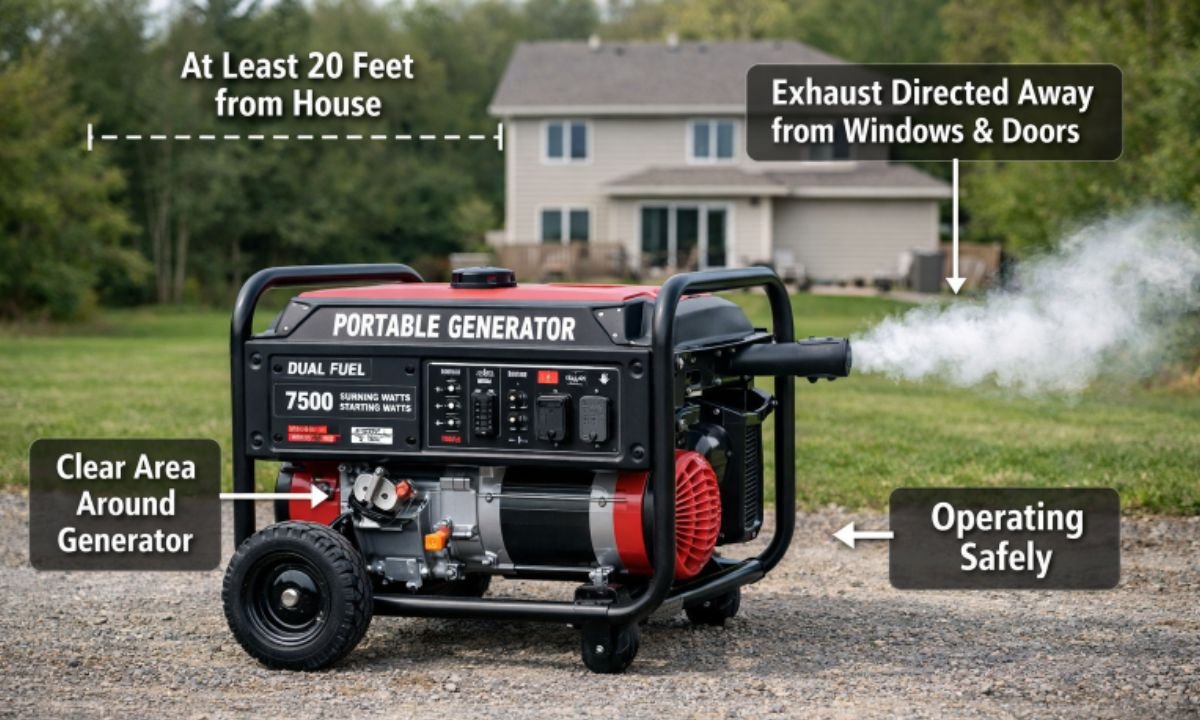
Table of Contents
- Choosing the Right Generator
- Proper Placement and Ventilation
- Safe Fueling Practices
- Electrical Safety Measures
- Preventing Carbon Monoxide Poisoning
- Regular Maintenance and Inspection
- Installing Carbon Monoxide Detectors
- Conclusion
Generators serve as essential backup power sources during outages. For many homeowners, selecting the best and safest generator option, such as Honda gas generators, is the first step toward preparing for emergencies. While generators can make life more comfortable when the power goes out, following the proper safety precautions is critical to prevent severe risks to health and property.
Improper generator use can lead to fire hazards, electrical shock, and even deadly carbon monoxide poisoning. By understanding and following established safety guidelines, homeowners can use their generators with confidence and avoid the most common dangers. This article provides comprehensive advice to help ensure safe operation, covering key points from picking the right unit to maintenance tips for long-term reliability.
Choosing the Right Generator
Start by assessing your home’s needs. Calculate the wattage of appliances and lights to power during an outage, and choose a generator rated above your total wattage to avoid overloads and safety hazards. The American Red Cross provides guides on power and safe generator use. Consider features like fuel type, portability, and noise level; inverter generators are quieter and fuel-efficient, ideal for residential or campground use. Some models include remote start, overload protection, and automatic shutoff for CO safety. Compare warranties and support for potential repairs.
Proper Placement and Ventilation
Generator placement is crucial for safety. Keep the unit outdoors, at least 20 feet from your home, doors, windows, and vents. Point the exhaust away from structures to prevent fumes from entering. Never operate it in a garage, basement, or enclosed patio, as these trap exhaust and cause carbon monoxide buildup. Avoid covering the generator with items that trap heat; use approved shelters or tents to protect it from the weather. Place it on a flat, stable surface to prevent tipping and ensure proper airflow to avoid overheating and CO buildup.
Safe Fueling Practices
Only refuel your generator when its engine is completely powered off and cool to the touch. Pouring gasoline into a hot engine can cause immediate fire or explosion. Store extra fuel in proper safety containers and keep them away from living and storage areas to mitigate fire risk. For more fueling safety recommendations, visit Consumer Reports.
Label fuel containers clearly and regularly check fuel lines and tanks for leaks. If you use propane or natural gas models, verify the connectors and hoses for cracks or damage before each use. Keep a fire extinguisher rated for fuel fires near your generator location as a safety precaution. Never smoke or use open flames (such as candles or lighters) around the fueling area.
Electrical Safety Measures
Water and electricity are a dangerous combination. Always operate your generator on a dry surface and shield it from rain with a canopy or cover. Use heavy-duty, outdoor-rated extension cords with a grounding pin and inspect them frequently for any damage. Do not try to power your home by plugging the generator into a wall outlet. This dangerous process, known as backfeeding, can cause injury to both household members and utility workers down the line. For additional electrical safety guidelines, the Electrical Safety Foundation International is a highly trusted resource.
If you plan to connect your generator directly into your home’s wiring, always hire a licensed electrician to install a transfer switch. This critical device separates generator power from the utility grid, ensuring the safety of everyone involved. Never modify your generator’s plugs or outlets, and routinely check all cords for fraying, exposed wires, or loose connections before each use.
Preventing Carbon Monoxide Poisoning
Even when placed outdoors, generators pose a significant risk of carbon monoxide (CO) if exhaust is not directed away from living spaces. CO is an invisible, odorless gas that can accumulate to fatal levels quickly. Always check that air is flowing freely and that the exhaust is aimed far from walkways and household doors or windows. Never bypass these steps or assume partial openings offer adequate ventilation.
Symptoms of CO poisoning include headache, dizziness, weakness, nausea, vomiting, chest pain, and confusion. If any of these symptoms appear while your generator is running, get fresh air immediately and seek medical help. Early detection is crucial, as prolonged exposure to carbon monoxide can result in permanent injury or death. Sharing these warnings with your family and guests can help prevent tragedies during emergencies.
Regular Maintenance and Inspection
A well-maintained generator is safer and more reliable. Perform regular visual inspections for leaks, cracks, or corrosion. Follow the manufacturer’s maintenance schedule for oil changes, air filter replacements, and spark plug checks. Keeping parts in top shape extends your generator’s life and reduces the likelihood of mechanical failures that could pose hazards during use.
Prior to each use, check the generator’s oil and fuel levels. Test your generator monthly, and run it under load (with a few essential appliances attached) for a short period to ensure it operates as intended. Store your unit in a place protected from rodents and pests, as chewed wires and blocked vents are common causes of malfunction. Document each maintenance session to stay on track and quickly identify recurring issues.
Installing Carbon Monoxide Detectors
Install carbon monoxide detectors on every level of the home and near sleeping areas. Ensure they are battery-powered or have backups, and test them often. Replace batteries regularly. If an alarm sounds, evacuate immediately and call emergency services. Mount detectors high on walls or ceilings since carbon monoxide mixes evenly with air, unlike smoke. Consider interconnected units for household alerts. Follow the user manual for proper installation and maintenance.
Conclusion
A portable generator offers comfort and stability during power outages, but safety is paramount. Follow these tips to protect your family, home, and property. Always consult your manual and local regulations, and visit resources like the CDC for carbon monoxide safety. Proper safety, understanding risks, and regular maintenance are crucial when using a home generator. Take precautions to ensure everyone’s safety, replace old or faulty equipment, and educate household members. Preparedness saves lives and property, making generator safety essential for homeowners.