
 By MADE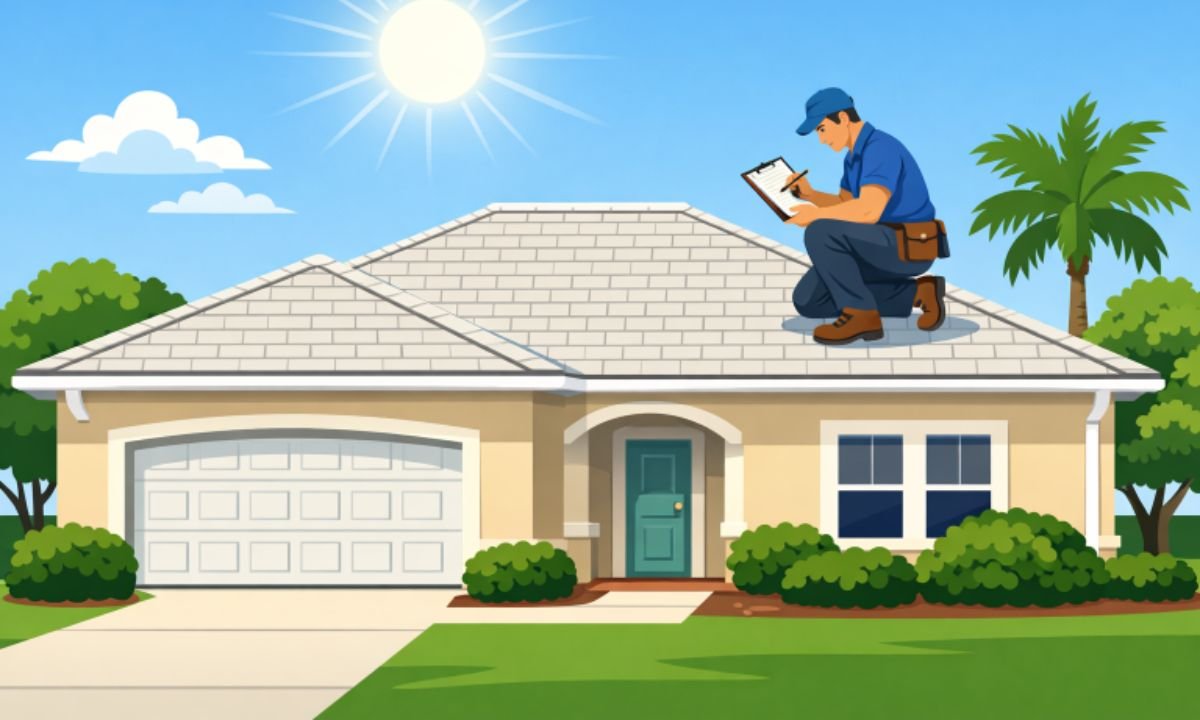
Maintaining a roof in Florida requires consistent attention due to the region’s intense sun, frequent storms, and humid conditions. Homeowners who neglect their roof may face unexpected repairs and early replacement costs. Regular inspections and proper care can help you avoid these issues while keeping your home safe and energy-efficient. For those unsure where to start, consulting a professional roofer is a practical first step to understanding your roof’s needs in Cape Coral’s unique climate.
Whether you are dealing with summer heat or preparing for hurricane season, proactive roof maintenance is one of the best investments you can make. By following a few key guidelines, you can help your roof withstand Florida’s environmental challenges, prolong its lifespan, and protect your property’s overall value.
One additional consideration for Florida homeowners is understanding the variety of roof types available for their property. If you are curious about modern options designed to withstand local weather, learning more about residential roofing solutions tailored for Cape Coral can be beneficial.
Schedule Regular Roof Inspections
Inspecting your roof at least twice a year, particularly before and after the region’s hurricane season, can make a significant difference. Look for problems like cracked, loose, or missing shingles, bubbling paint, or dark stains on your ceilings and exterior walls, which are early signs of moisture intrusion. According to Consumer Reports, identifying and repairing damage early not only saves on major repairs but also helps uphold your roof’s warranty. Regular inspections allow homeowners to budget for minor repairs rather than facing sudden, expensive issues after heavy storms.
Keep Your Gutters Clean
Functioning gutters are essential for proper rainwater drainage. When gutters are filled with leaves or debris, water can back up and seep under shingles, rot decking, and damage fascia. Clean gutters twice a year, more often if you have overhanging trees or after intense storms. While cleaning, look for sagging, rust, or loose fasteners that may need quick repair. A clean, stable gutter system prevents pooling and limits erosion near the foundation, making it an easy step toward reliable roof care.
Trim Overhanging Branches
Florida’s lush landscapes mean many homes are surrounded by mature trees. Branches hanging over the roof are a risk, particularly during thunderstorms and hurricane season. High winds can bring limbs down on your roof, causing impact damage or clogging gutters with leaves. Trimming branches back gives trees fewer pathways for pests like squirrels and raccoons and ensures falling debris lands safely on the ground instead of your roof’s surface. Ideally, keep branches at least ten feet from your roof for optimal safety.
Check for Mold and Algae Growth
Humidity and warmth create the perfect environment for mold and algae to grow on Florida roofs, especially those shaded by trees or facing north. This growth can stain shingles, reduce curb appeal, and eventually lead to decay or leaks. Prevent issues by washing areas with a water-bleach solution and installing copper or zinc strips along ridges to inhibit future growth. Also, look for options like algae-resistant shingles if planning a roof replacement. Keeping your attic dry through adequate airflow also helps minimize moisture on the roof deck, reducing the risk of future problems.
Ensure Proper Attic Ventilation
Poor attic ventilation is a hidden menace for Florida homeowners. Without proper airflow, heat and humidity accumulate under the roof, accelerating shingle deterioration and contributing to excessive indoor heat. Inadequate ventilation can also lead to condensation, mold, and wood rot within the attic. Periodically check soffit and ridge vents for blockages and ensure no insulation covers air pathways. If you notice persistent heat or moisture issues, consult an expert about options such as ridge vents, attic fans, or additional insulation to balance your home’s climate and prolong your roof’s life.
Address Leaks Immediately
Even a small roof leak should never be ignored. Water can soak insulation, damage drywall, and foster mold hidden from plain view. If you spot signs of a leak, water rings on ceilings, peeling paint, or damp insulation, take immediate action by containing the water, covering the area with a tarp, and contacting a professional for inspection and repair. Early intervention stops minor problems from becoming structural headaches and helps keep your living spaces healthy and safe.
Reinforce Your Roof for Storm Season
Florida’s hurricane and severe storm season puts unique pressure on local roofs. Strengthening your roof profile can help it withstand extreme winds and heavy rain. Consider hurricane straps or clips to secure the roof to the walls, and invest in high-quality sealants for all flashing, roof edges, and penetrations such as vents and skylights. For new installations or major roof upgrades, impact-resistant materials such as metal roofing or high-density asphalt shingles offer added peace of mind during severe weather events.
Hire a Professional for Repairs and Maintenance
Roofing work is dangerous and often more complicated than it appears. Rely on experienced, licensed roofing contractors for thorough, ongoing maintenance and repairs. Professional roofers have the equipment, training, and regional expertise needed to ensure lasting results. They can identify early warning signs you may miss and provide guidance on the most durable, cost-effective repairs for your property.
Protect Your Roof with Preventive Care
Ongoing preventive maintenance extends roof life, improves energy efficiency, and saves money on repairs over time. By following these tips year-round, Florida homeowners can enjoy a safe, comfortable living environment and avoid unexpected expenses. Stay informed and be proactive, and your home’s roof will remain strong season after season.
Conclusion
In conclusion, maintaining your roof in Florida’s climate requires proactive, regular care. Routine inspections, gutter cleaning, tree trimming, and ensuring proper ventilation prevent damage and extend lifespan. Address small issues early, like leaks or mold, to avoid costly repairs and protect your home. Preparing for storms and seeking professional help boosts resilience against the weather. Regular maintenance helps homeowners safeguard their investment, boost energy efficiency, and ensure their roof withstands the elements year-round.