
 By MADE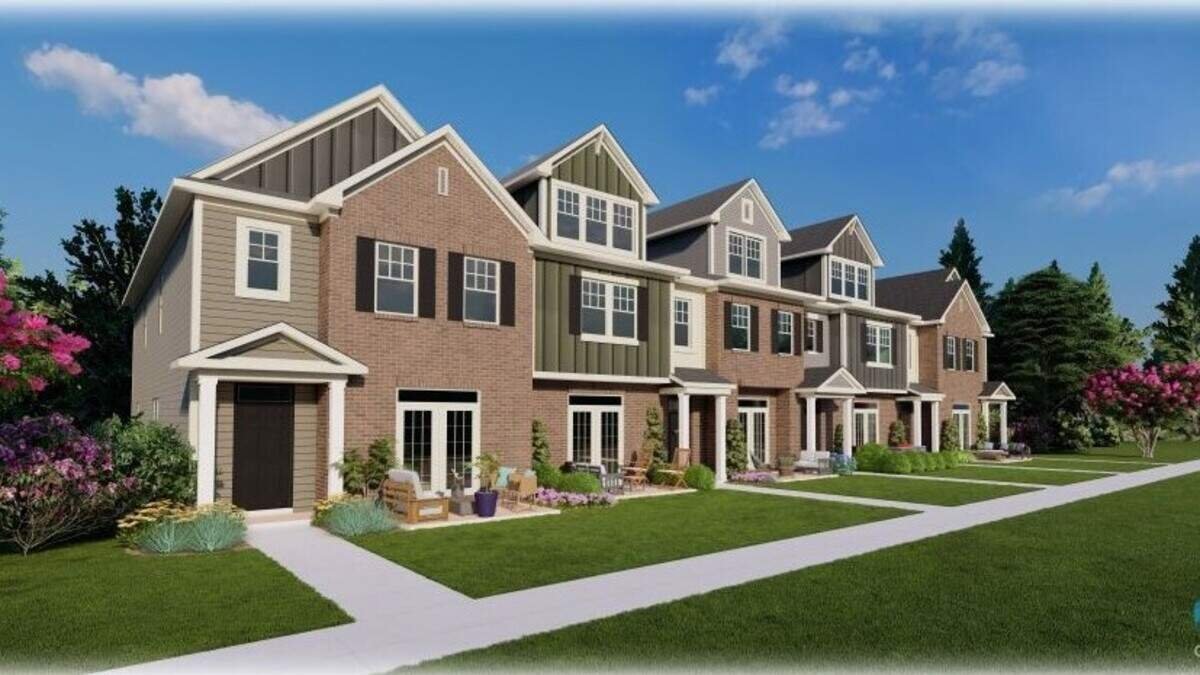
Key Takeaways
- The right neighborhood should support everyday routines, not simply make a strong first impression during a showing.
- Compare the complete cost of ownership, including taxes, insurance, HOA dues, utilities, maintenance, and transportation.
- Mooresville buyers may encounter established neighborhoods, planned subdivisions, lake-oriented communities, golf settings, rural-edge homes, and new construction.
- Repeat visits at different times can reveal traffic, noise, parking, lighting, and drainage issues that are easy to miss during one tour.
- A written scorecard can help buyers compare homes with less emotion and more consistency.
Choosing a home in Mooresville, North Carolina, involves more than comparing kitchens, square footage, and asking prices. The neighborhood shapes the daily experience of owning that home, from commute patterns and utility arrangements to outdoor access, traffic, maintenance, and future resale considerations. Buyers comparing Mooresville Homes for Sale can use Nicole Leininger’s property search and local market overview to evaluate available homes across the Lake Norman area. Nicole Leininger is a third-generation real estate broker whose practice serves Mooresville and nearby communities, including Cornelius, Davidson, Denver, Huntersville, and Charlotte, bringing a local perspective to residential, waterfront, luxury, and relocation searches.
Set Priorities Before Touring
A home’s paint colors, fixtures, and landscaping can change. Road access, lot position, nearby land uses, school assignment, and neighborhood layout are usually much harder to change. Before scheduling tours, make a short list of nonnegotiables and preferences. This creates a useful filter when an appealing kitchen or water view makes it tempting to overlook a practical concern.
Questions Worth Answering First
- What monthly housing payment feels comfortable after all recurring costs are included?
- How much time can the household realistically spend commuting?
- Is a larger lot more valuable than a newer home or a more central location?
- Will the home need space for remote work, guests, pets, hobbies, or future household changes?
- Are parks, lake access, dining, golf, or nearby shopping important to the lifestyle?
Compare the Full Cost of Living
The purchase price is only one part of affordability. For every serious option, estimate principal and interest, property taxes, homeowners’ insurance, possible flood insurance, HOA dues, utilities, lawn care, routine maintenance, and commuting costs. For older homes, consider the age and condition of the roof, HVAC equipment, plumbing, electrical systems, crawl space, and drainage features. For example, a lower-priced home may not be the lower-cost choice if it has substantial near-term repair needs, higher association dues, or a longer daily drive. A newer home at a higher price may involve different trade-offs, such as builder fees, lot premiums, ongoing construction nearby, or a smaller yard. Compare the annual total, not just the mortgage estimate.
Review Home Types and Neighborhood Styles
Mooresville offers varied residential settings, each suited to a different buyer. Established in-town areas may appeal to buyers who value mature landscaping, older architecture, and proximity to local businesses. Planned subdivisions may offer sidewalks, shared amenities, newer layouts, and formal community rules. Lake-influenced communities can offer scenic surroundings, boating opportunities, or shared water access, but buyers should confirm exactly what transfers with the property. A view, a deeded slip, a shared ramp, a private dock, and access to a common area are not interchangeable. Golf-oriented communities may suit buyers interested in recreation and club amenities. At the same time, rural-edge homes can offer privacy and acreage but may require wells, septic systems, longer trips for services, or more exterior maintenance.
Test Commutes and Daily Access
A mapping app is helpful, but it cannot fully show the experience of a daily route. Test the drives that will matter after closing, including work, school, grocery shopping, medical appointments, parks, and highway access. Visit in the morning and afternoon, then return after dark and on a weekend. Watch for school traffic, difficult turns, train crossings, road noise, parking pressure, and lighting around the home.
Check Schools, Utilities, and Services
Verify practical details by the exact property address. A nearby school may not be the assigned school, and district boundaries can differ from expectations. Ask about transportation, enrollment procedures, and programs directly with the appropriate district. Also, determine whether the home uses public water and sewer, a well, a septic system, or a combination of these. Recent utility bills can provide more useful context than a broad estimate, especially for a larger home or a property with a pool. Remote workers should confirm internet options before making an offer. Buyers planning a fence, pool, detached garage, addition, or guest space should also ask about permits, lot restrictions, utility easements, and any required approvals.
Research Flood Risk and Future Development
The current view from a porch may not remain the same. Before committing, examine nearby vacant land, roads, drainage swales, slopes, creeks, ponds, and utility corridors. The town’s planning map includes layers for zoning, flood zones, subdivisions, future character areas, greenways, and other local planning information that can help buyers understand the surroundings. For homes near Lake Norman, creeks, or low-lying areas, review the FEMA flood map service as one step in the process. Flood mapping should be paired with insurance questions, inspection findings, seller disclosures, and an in-person look at grading, retaining walls, gutters, sump pumps, and past signs of water intrusion.
Review HOA Documents Carefully
An HOA can maintain shared amenities and establish neighborhood standards, but its documents deserve close review before an offer becomes final. Request current dues, transfer fees, governing documents, recent meeting minutes, reserve information, and any record of pending or recent special assessments. Look for restrictions involving rentals, boats, trailers, fences, sheds, exterior changes, pets, pools, parking, and maintenance responsibilities.
Use a Neighborhood Comparison Scorecard
Rate each neighborhood from one to five, then give greater weight to the categories that matter most to your household. A simple comparison can include:
- Monthly cost: Mortgage, taxes, insurance, HOA fees, utilities, and maintenance.
- Commute and access: Daily routes, shopping, medical care, schools, and highways.
- Home condition: Major systems, inspection concerns, layout, and repair expectations.
- Neighborhood fit: Privacy, activity level, noise, outdoor space, and overall routine.
- Future flexibility: Resale appeal, household changes, HOA restrictions, and nearby development.
Final Pre-Offer Checklist
- Drive the most important routes during busy periods.
- Confirm school assignment, utilities, and internet availability by address.
- Review taxes, insurance quotes, HOA costs, and likely maintenance needs.
- Check drainage, flood information, zoning, and nearby development patterns.
- Read HOA documents and schedule a professional inspection.
- Compare the home against at least two other realistic neighborhood options.
The best Mooresville neighborhood is not the same for every buyer. A sound choice matches the household budget, daily habits, preferred setting, and long-term plans. Careful comparisons and thorough due diligence can help turn an attractive listing into a home that remains a good fit well after closing.