
 By MADE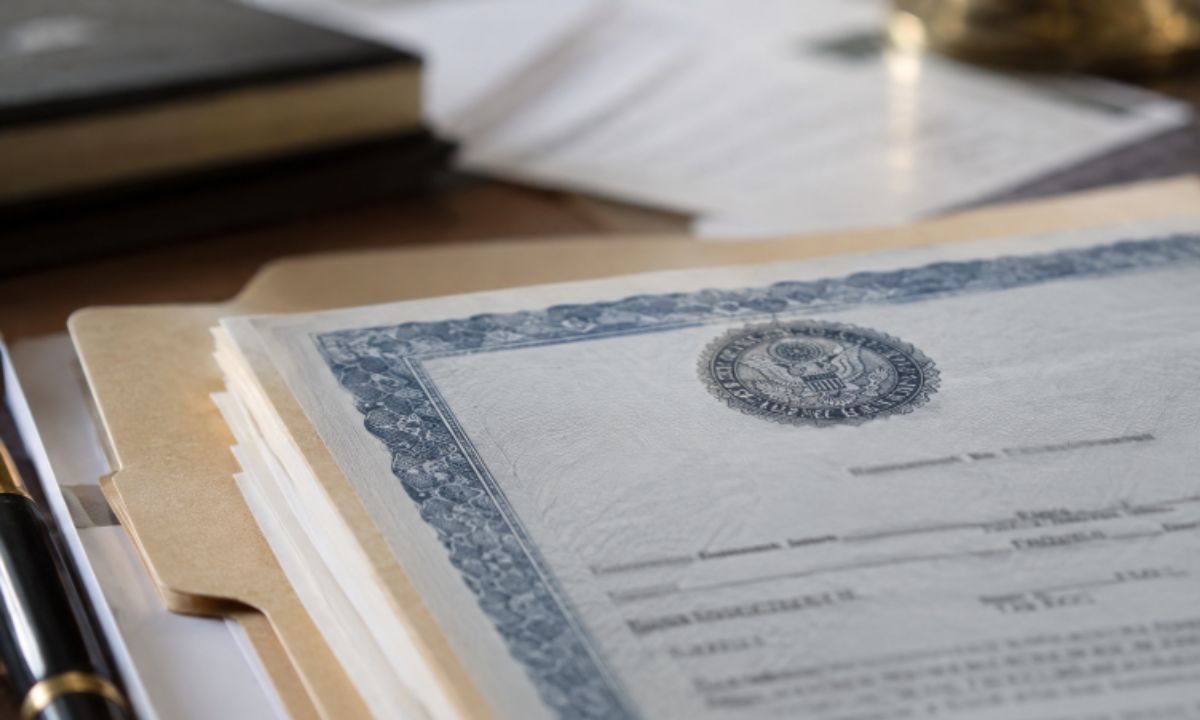
After a death, paperwork can feel secondary to everything else a family is managing. Still, a first conversation with a probate attorney is usually more productive when you can provide a clear picture of the person’s property, debts, family circumstances, and estate planning documents. You do not need to find every record before asking for help, but gathering the most important materials can prevent avoidable delays.
For Wilmington families, that preparation may also make it easier to protect a coastal home, a vehicle, personal property, or financial accounts while the estate is being reviewed. The goal is not to decide who receives every item before the meeting. It is to preserve information, identify urgent concerns, and give the attorney enough context to explain which North Carolina process may apply.
The Original Will and Trust Documents
If you can locate the original will, bring it to the appointment rather than relying solely on a photocopy or a summary of its contents. The will may name an executor, identify beneficiaries, provide instructions about personal property, or address other estate matters. Keep it flat, dry, and secure. Do not write on it, remove staples, or make changes to the document.
Also, gather any revocable living trust, amendments, memoranda concerning personal property, powers of attorney, or related estate planning papers. A power of attorney generally ends at death, but it may help explain who was managing affairs before the death. Trust documents can be especially important because property titled in a trust may be handled differently from property owned individually.
North Carolina’s court system notes that people preparing to administer an estate should find the will and determine whether it may have been stored in a safe place, held by an attorney, or deposited with a clerk for safekeeping. Its overview of estate administration in North Carolina also explains that the clerk of the superior court handles probate matters in each county.
Certified Death Certificates
Courts, banks, insurers, retirement plan administrators, and government agencies commonly request a certified death certificate. Funeral homes often assist with the initial order. Still, it is wise to ask how many certified copies are being requested and where they will be sent. Keep at least one copy untouched in your main estate file.
Bring any certified copies you already have, along with information about the date and place of death. If more copies are needed, North Carolina’s certificate ordering process provides options for requesting death records through the state. It explains that county offices may also be available in appropriate circumstances.
Uncertified copies can be useful for personal records, but an institution may require a certified copy before it releases information or processes a claim. Calling ahead before sending an original certificate can help you understand what the specific institution requires.
Financial Account and Asset Records
Bring the most recent records you can find for bank accounts, credit union accounts, investment accounts, retirement plans, life insurance, annuities, and safe-deposit boxes. Statements, account summaries, policy declarations, tax forms, and online account printouts can all be helpful. If you do not know an account balance, bring the document anyway.
For each asset, try to identify:
- The institution or location of the property.
- The account number or another identifying reference.
- How the asset was titled.
- Whether another person was a joint owner.
- Whether a beneficiary was named.
- The approximate value, if known.
These details matter because a will does not necessarily control every asset. For example, a payable-on-death bank account, a life insurance policy with a named beneficiary, or jointly owned property may follow a different transfer path. An attorney can review the records and help distinguish estate assets from assets that may pass outside the probate estate.
Debt, Bill, and Expense Information
Collect recent mail and statements for mortgages, credit cards, personal loans, medical bills, utilities, taxes, storage units, subscriptions, and other recurring obligations. Include notices about automatic payments, recurring deposits, or upcoming due dates. This list helps reveal which expenses may require immediate attention to preserve the property or prevent a service interruption.
Do not assume that a surviving relative automatically owes every bill in the deceased person’s name. Responsibility can depend on the account agreement, whether someone co-signed, whether the debt was jointly held, and other facts. Preserve the notices and bring them to the consultation before paying disputed claims or using personal funds to resolve them.
Real Estate and Vehicle Ownership Documents
For a Wilmington residence, rental property, vacant lot, or property elsewhere in North Carolina, bring the deed, property tax notice, mortgage statement, homeowners’ insurance information, and any lease agreements. Coastal properties deserve prompt attention after severe weather, so the family should keep insurance in place, secure the premises, and document visible damage or valuable contents when appropriate.
For vehicles, bring titles, registration records, loan statements, and insurance cards. If the deceased owned a business, include formation documents, ownership agreements, recent tax filings, and records showing the person’s role. These materials can help identify property that needs protection while the estate is pending.
How To Organize Your Probate Meeting Folder
A simple folder or secure digital file can make the initial meeting less stressful. Create labeled sections for estate planning documents, death certificates, assets, debts, real estate, vehicles, tax records, and family contact information. Keep originals separate from copies, and make a written list of documents you could not find.
Before leaving for the appointment, also write down practical questions. Ask who has authority to act now, whether probate appears necessary, what property needs immediate protection, and what deadlines may apply. A careful first meeting will not settle every estate issue, but the right documents can give Wilmington families a reliable starting point for moving forward.