
 By MADE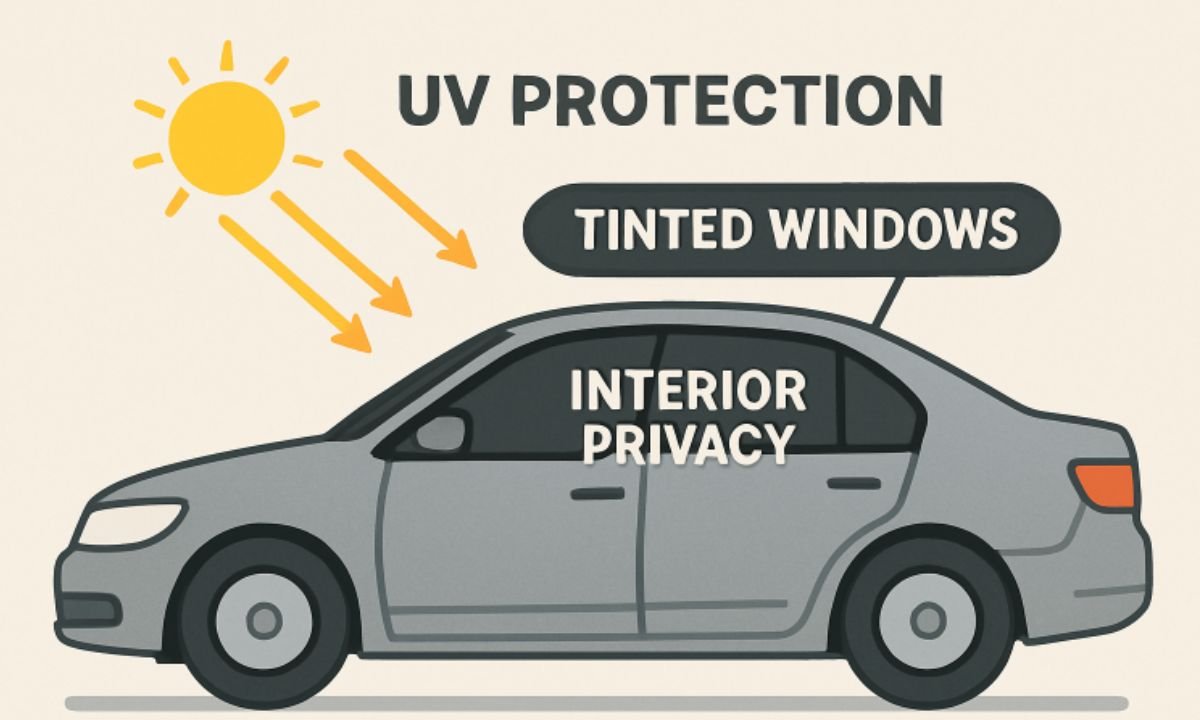
Key Takeaways
- Understanding the benefits of window tinting, including UV protection, heat reduction, and enhanced privacy, is crucial for new car owners.
- There are several types of window tints—ceramic, carbon, and dyed—each with its own pros and cons.
- Compliance with local tinting regulations helps you avoid fines and ensures safer driving.
- Professional installation maximizes durability, while proper maintenance keeps your tint looking sharp.
- Budgeting for quality tints pays off in the long run by providing better performance and longevity.
Table of Contents
- Understanding Window Tinting and Its Benefits
- Types of Window Tints Available
- Legal Considerations and Compliance
- Professional Installation vs. DIY Kits
- Maintenance and Care for Tinted Windows
- Cost Considerations and Budgeting
- Choosing the Right Tint for Your Needs
- Conclusion
Understanding Window Tinting and Its Benefits
For first-time car owners, window tinting might seem like just an aesthetic upgrade, but it offers much more. High-quality tints protect you from up to 99% of harmful UV rays, reducing the risks associated with sun exposure during drives. They also help maintain a cooler interior by minimizing heat absorption, which can be particularly important during the warmer months.
Privacy and security are additional advantages. Tinted windows make it harder for potential thieves to peer inside, giving peace of mind. The first step toward protecting your investment can include considering additional services, such as ceramic coating for cars in Bremerton, WA, which complements the benefits of quality window tinting with superior surface protection.
Types of Window Tints Available
- Ceramic Tints: These advanced films use microscopic ceramic particles that drastically reduce heat and block UV rays. Plus, they do not interfere with cell phones or GPS signals, making them ideal for modern drivers.
- Carbon Tints: Known for their matte finish, carbon tints add style while absorbing sunlight to control heat. While not as powerful as ceramic tints, they strike a balance between performance and appearance.
- Dyed Tints: These are often chosen for their affordability, providing a dark, uniform finish. However, they offer little heat rejection and tend to fade more quickly over time.
Each type brings unique benefits, so it’s essential to match your tint to your priorities—whether that’s heat control, style, or budget.
In addition to tinting, exploring automotive ceramic coating near me provides extra peace of mind, ensuring your vehicle maintains both a stunning appearance and robust protection against the elements.
Legal Considerations and Compliance
State regulations strictly dictate the darkness or reflectivity of your window tints, with varying limits for front, rear, and side windows. Notably, laws like Vermont’s 2025 Motor Vehicle Bill enforce specific standards to enhance driver visibility and safety. Failing to abide by these rules can result in costly fines and the hassle of having to remove or replace non-compliant films.
Before choosing your tint, research your local regulations to ensure your desired film is both legal and practical for daily use in your area.
Professional Installation vs. DIY Kits
With a variety of DIY kits available online, the temptation to tint your car windows yourself is understandable. While they can save up-front costs, improper installation can lead to bubbling, peeling, and reduced effectiveness. In contrast, professional installers possess the necessary tools and expertise to ensure a flawless, long-lasting application. Most professional services also offer warranties, providing an additional layer of protection for your investment.
Maintenance and Care for Tinted Windows
Once your windows are tinted, maintaining them is easy, but it requires regular attention. Always use ammonia-free cleaning products and soft microfiber cloths to avoid scratches and haze. Avoid rolling down newly tinted windows for at least three days and steer clear of abrasive cleaning tools for the life of your tint. Regular, gentle care will keep tints clear and significantly extend their lifespan.
Cost Considerations and Budgeting
Window tinting costs depend on the size of your vehicle and the type of tint you choose. Dyed films tend to be the least expensive, while ceramic and carbon options are higher, reflecting their improved performance and durability. Although the initial price is higher for premium tints, their energy savings, comfort, and longevity make them a wise investment in protecting your car’s interior and enhancing its resale value.
Choosing the Right Tint for Your Needs
Consider your priorities: Do you want maximum UV protection, significant heat reduction, or a distinct visual style? If you rely heavily on mobile technology, ceramic tints won’t interfere with your devices. If privacy is your primary concern, look for tints that strike a balance between darkness and local legal limits.
Ultimately, make a decision that aligns with your needs, driving habits, and local laws. Remember, combining tinting with products like ceramic coatings can further preserve your vehicle’s paint and glass, ensuring long-lasting satisfaction.
Conclusion
Choosing the right window tint for your vehicle begins with familiarizing yourself with the various types available, such as ceramic, carbon, and dyed films, and understanding the advantages each offers, including heat reduction and UV protection. Equally important is knowing and adhering to local regulations to avoid legal complications. For first-time car owners, prioritizing high-quality, professionally installed tints ensures optimal performance and durability. Regular maintenance, such as cleaning with suitable solutions and avoiding abrasive materials, helps preserve the tint’s appearance. Combining window tints with protective coatings on your vehicle further enhances protection against sun damage, scratches, and fading, keeping your car comfortable, stylish, and well-maintained over the long term.
READ ALSO: Can a Motorcycle or RV Qualify as a Lemon?