
 By MADE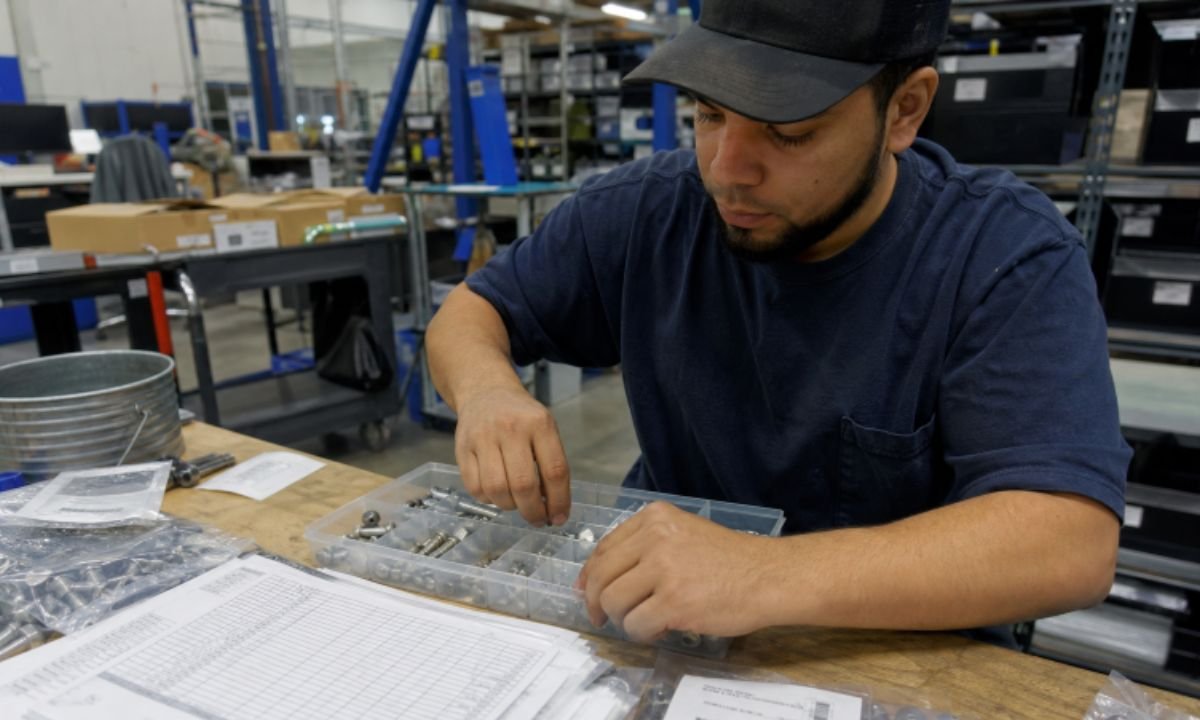
What Is the Fastest Way to Submit an Aircraft Hardware Kits Request?
The fastest route is to send a clear bill of materials, a kit drawing, an illustrated parts breakdown, or a part-number list with quantities, delivery requirements, and documentation needs. Buyers looking for organized aircraft hardware kits can use that information to start a focused conversation with Aerospace Fasteners Incorporated about product availability and the most suitable fulfillment approach.
Include the aircraft, assembly, maintenance activity, or production program whenever possible. A request should also identify required materials, finishes, sizes, approved alternates, manufacturer restrictions, packaging instructions, and any certificate or inspection requirements. Better input helps prevent delays caused by unclear specifications or incompatible substitutions.
Why Do Aircraft Hardware Kit Requests Require More Than a Parts List?
A kit can contain small but vital items like bolts, nuts, washers, rivets, pins, screws, retaining devices, and specialty components. Even inexpensive parts, if missing or incorrect, can disrupt assembly, delay maintenance, or cause extra costs. Part numbers alone may not cover all needs; considerations include drawing revisions, finish, lot documentation, shelf-life, approved manufacturers, and assembly position. Similar hardware may differ in specifications or approval. The FAA emphasizes that quality, eligibility, and traceability are crucial for parts used on U.S. type-certified products, making supplier documentation and receiving processes vital in hardware procurement.
How Does Aerospace Fasteners Incorporated Build Aircraft Hardware Kits?
Aerospace Fasteners Incorporated describes a structured kitting process that turns separate hardware line items into a labeled, ready-to-use package. Rather than treating kitting as simply placing parts in a box, the process centers on identifying the correct contents, tracking those contents, and preparing a kit for the customer’s defined sub-assembly or use case.
- Review the requirement: The company evaluates the parts list, quantities, application details, and documentation expectations.
- Pick and pull components: Required items are selected from regular inventory for the defined kit.
- Track part information: Aerospace Fasteners Incorporated states that it uses barcode inventory management and a QAD system to track part history and kit information.
- Check kit contents: The company states that each kit is triple-checked during assembly to help confirm the correct parts are included.
- Label the completed kit: Kits are delivered under one sub-assembly part number, helping receiving and production teams identify the package.
- Manage applicable expiration dates: The company states that it tracks expiration dates for parts in a kit and can update kits when replacement parts are needed.
Aerospace Fasteners Incorporated also states that it maintains a six-month kitting inventory for customers using its kitting service. Inventory levels, lead times, and replenishment terms should be confirmed for the specific customer, product family, and agreement.
How Does Traceability Support Better Hardware Procurement?
Traceability is not merely a recordkeeping preference. It helps a buyer understand where a part came from and whether its documentation aligns with the customer’s quality system and intended aircraft application. Purchase orders should clearly communicate the records required for each part family and program.
For installed aircraft hardware, selection should follow applicable engineering data, maintenance instructions, approved specifications, and customer procedures. The FAA’s Suspected Unapproved Parts program also emphasizes the importance of identifying and removing parts that may not be approved for installation. Buyers should never select a replacement solely because it looks similar or is commercially available.
Which Products Can Be Included in a Hardware Kit?
Aerospace Fasteners Incorporated distributes a broad range of aerospace hardware that can be organized into application-specific kits. Final selection remains dependent on the customer’s approved data and requested specifications.
- Bolts and screws: Structural, machine, socket-cap, shoulder, drilled-head, self-tapping, and other specified fastener styles.
- Nuts and washers: Locknuts, castle nuts, captive nuts, coupling nuts, flat washers, and compatible retention hardware.
- Rivets and pins: Rivets for approved permanent-fastening applications, plus cotter, dowel, spring, hitch, and related pin types.
- Specialty items: Fittings, retaining rings, shims, spacers, bushings, bearings, cable ties, and U-bolts when required by the assembly.
How Can Inventory Services Help Reduce Stockouts and Excess?
Recurring demand often calls for a different approach than a one-time purchase. Aerospace Fasteners Incorporated offers services that include vendor-managed inventory, consignment, KAN-BAN programs, bin stocking, long-term agreements, and discrete orders. These options can help a customer align hardware availability with repeat production or maintenance activity.
Vendor-Managed Inventory and Consignment
Vendor-managed inventory may suit repeat-use parts with predictable demand because it creates a defined replenishment process. Consignment can provide access to agreed inventory at a customer location, while the commercial arrangement is based on product usage. The right model depends on consumption patterns, storage controls, ownership terms, and the customer’s internal quality requirements.
Which Service Model Fits the Requirement?
- Discrete order: Appropriate for a defined, one-time hardware requirement.
- Custom kit: Useful when several related components must arrive together for one assembly or task.
- Vendor-managed inventory: Designed for recurring requirements that benefit from planned replenishment.
- Consignment: Suitable when agreed stock should be available on site under a usage-based arrangement.
- KAN-BAN or bin stocking: Relevant for repeat production workflows that need visible, routine material flow.
- Long-term agreement: Useful for structured supply planning across an extended period.
What Should Be Included in the Request?
- Customer name, facility, shipping location, and primary contact.
- Aircraft model, assembly, program, or maintenance application.
- Complete part numbers, approved alternates, and required quantities.
- Material, finish, size, thread, grip, and configuration details.
- Required manufacturer, approved-source, traceability, certificate, inspection, and packaging information.
- Expected usage rate, requested delivery date, and whether the need is one-time or recurring.
- Shelf-life or expiration-date controls, when applicable.
- The requested service model is a kit, a VMI program, a consignment arrangement, or a discrete purchase.
Frequently Asked Questions
Can a kit include different categories of aircraft hardware?
Yes. A defined kit may combine compatible bolts, screws, nuts, washers, rivets, pins, fittings, retaining items, and specialty parts based on the customer’s approved requirements.
How are kit components identified?
Aerospace Fasteners Incorporated states that its kitting process uses labeling, barcodes, and QAD system support to help track kit and part information.
Can Aerospace Fasteners Incorporated support repeat hardware demand?
Yes. Its listed service options include vendor-managed inventory, consignment, KAN-BAN programs, bin stocking, long-term agreements, and kitting for recurring needs.
What should buyers verify before ordering?
Buyers should verify current availability, approved-source requirements, documentation, applicable certifications, product configuration, delivery timing, and suitability for the intended installation before authorizing a purchase.