
 By Siam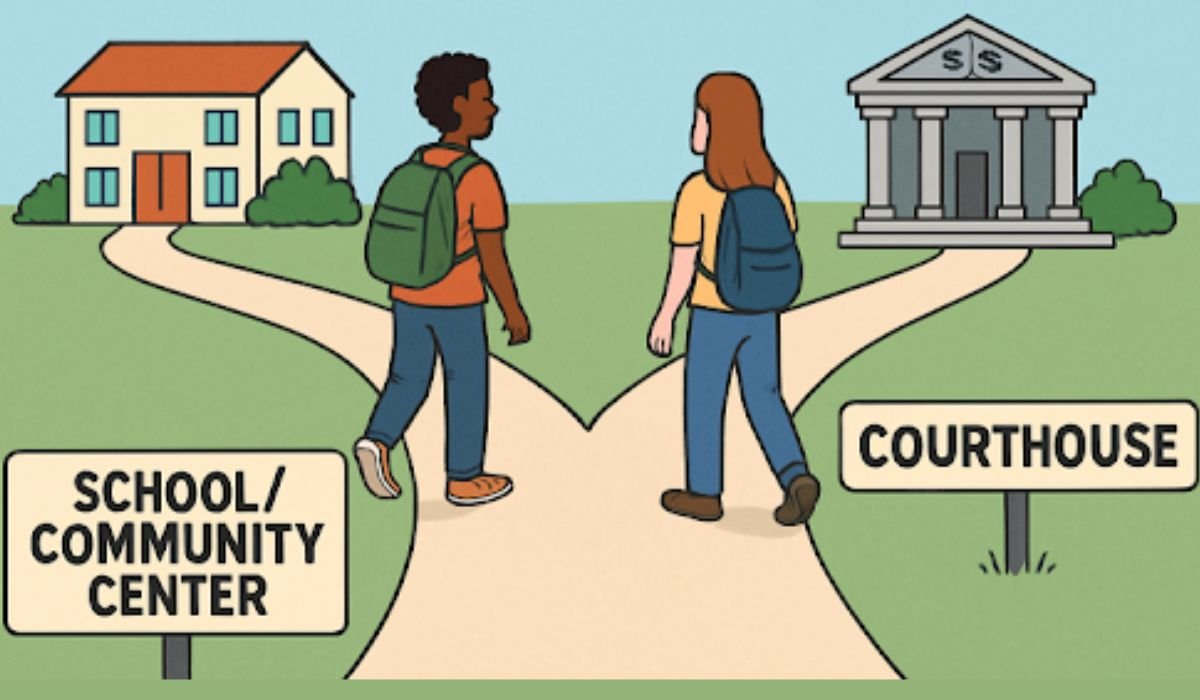
Introduction to Colorado’s Juvenile Justice System
Colorado’s juvenile justice system aims to steer young people away from a cycle of criminal behavior. Designed for individuals under age 18, the system focuses less on punishment and more on helping juveniles change the trajectory of their lives. In this rehabilitative approach, youth offenders are given opportunities to make amends and gain valuable skills. To understand your legal options if your child is facing juvenile charges, visit martinlawfirmpc.com for experienced legal support and resources.
By prioritizing support and guidance, Colorado acknowledges that youthful mistakes need not define a child’s future. The state’s legal process also involves coordination with families, schools, and community organizations to provide young people a chance to become productive members of society.
Recent Legislative Changes
In June 2023, significant legislative reform changed the landscape for juvenile offenders in Colorado. Lawmakers raised the minimum age at which children can be prosecuted as juveniles from 10 to 13. This measure aims to keep very young children out of the justice system, opting instead to address their behaviors with mental health counseling, educational support, and behavioral interventions. With children under 13 now shielded from prosecution, Colorado seeks to dramatically reduce the number of elementary-age youths entangled in formal court proceedings. This progressive shift reflects growing recognition of the importance of child development and the unique needs of young offenders.
Juvenile Detention Facilities
The Colorado Division of Youth Services (DYS) oversees 15 juvenile detention centers across the state. These facilities are intended for youth ages 10 to 21 and vary in size, security level, and offered programs. Inside these centers, juveniles receive life skills training, education, counseling, and structured routines. Case managers work closely with each youth to develop a tailored path toward release and reintegration. The goal is not just to keep young people off the streets, but to empower them with the tools they need to succeed once they leave. More on the workings of these facilities and their rehabilitative programs can be found at the official state publication on Colorado juvenile justice systems.
In addition to detention, Colorado offers a spectrum of graduated sanctions and community-based solutions whenever possible. Judges and probation officers often balance detention with less restrictive alternatives that help reduce the risk of repeat offenses.
Alternative Programs: Teen Court
Colorado also provides young offenders with a range of diversion programs, including Teen Court. Operated in cities like Colorado Springs, these courts allow youth to be judged and sentenced by their peers for low-level misdemeanor offenses. Teen volunteers are trained to serve as defense attorneys, prosecutors, and jurors, making the process more relatable to young defendants. Sanctions typically involve restitution, community service, and mandatory life skills classes, directing the focus toward accountability, learning, and personal growth. By sidestepping formal court records for minor offenses, Teen Court helps youth avoid barriers to future education and employment.
Challenges in the System
Despite innovative programs and legislative changes, Colorado’s juvenile justice system continues to face challenges. One pressing issue is the rise in violent crimes among juveniles, particularly incidents involving homicide and manslaughter. In fact, 2023 marked the highest number of youths sentenced for these serious charges in the state. The lack of adequate space in youth detention centers compounds the situation. Law enforcement and community leaders acknowledge that overburdened facilities can limit opportunities for effective rehabilitation.
Community-Based Interventions
Innovative community-based interventions illustrate Colorado’s commitment to prevention. Programs like the Lighthouse Program in Mesa County focus on youth who display risk factors for criminal involvement, such as truancy or behavioral issues at school. Rather than waiting for a crime to occur, these initiatives address warning signs through counseling, mentorship, and family services. The aim is to provide structure and support before formal legal intervention becomes necessary, thus reducing the influx of youth into the criminal justice system.
The Youthful Offender System (YOS)
For juveniles who commit the most serious offenses, Colorado has established a unique option: the Youthful Offender System (YOS) in Pueblo. This medium-security facility exists for offenders between the ages of 14 and 19 who are convicted of violent felonies but display potential for rehabilitation. The YOS employs a structured, four-phase approach that combines discipline, education, job training, and therapy with a firm path back into society. Graduates of the program are statistically far less likely to reoffend when compared with peers who serve time in traditional adult prisons.
Conclusion
Colorado’s juvenile justice system continuously adapts in response to research, public need, and shifting societal values. With reforms that encourage rehabilitation and programs that address the complex root causes of juvenile crime, the state demonstrates a clear commitment to helping youth turn their lives around. Ongoing challenges with violent crime and overcrowded facilities underline the necessity for both innovation and adequate resources. Ultimately, the most effective solutions will be those that balance accountability with compassion, always keeping the well-being and future of young people in mind.
For a broader perspective on trends and policies in juvenile justice across the United States, refer to the New York Times’ coverage of changes in the juvenile justice system.
YOU MAY ALSO LIKE: The Benefits of Hiring a Quality Criminal Lawyer for Your Case in Dallas