
 By MADE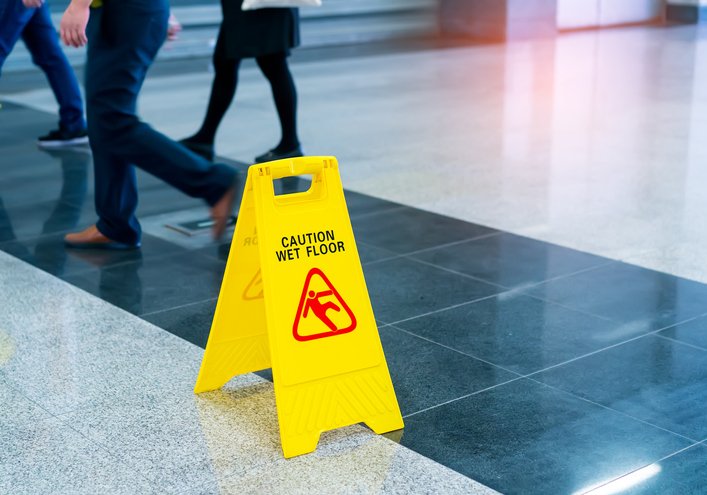
Slip-and-fall accidents are a significant concern for Montgomery County residents, especially given the often unpredictable local weather. Families, homeowners, and property managers must take measures to prevent these incidents year-round. For expert assistance or legal advice, consider visiting https://phillyslipandfallguys.com for more details on prevention and liability. From wet spring days to icy winter mornings, each season presents unique threats. Preventive actions keep not just homeowners but also visiting friends, relatives, and service providers safe from injury. Understanding how weather and environmental factors contribute to slip-and-fall risks is the crucial first step in developing a comprehensive home safety plan. Many slip and fall injuries can result in serious consequences, including fractures, head trauma, and long-term pain. Nationally, falls are a leading cause of emergency room visits, especially for older adults. Montgomery County homes are no exception, making preventive care a top priority for residents. Practical interventions, routine maintenance, and immediate attention to hazards can drastically reduce the risk of injury indoors and outdoors. In addition to their physical impact, slip-and-fall accidents often pose legal and financial challenges for homeowners.
Rain and Wet Surfaces
Rain is one of the most common causes of slip-and-fall accidents around homes in Montgomery County. Outdoor paths, driveways, decks, and porch steps become slippery quickly during showers. Even after the rain has stopped, lingering moisture or puddles can still create hazardous areas. Homeowners need to regularly check outdoor surfaces, keep drainage clear, and consider slip-resistant treatments to minimize accidents. Inside the home, rainwater can be tracked in on shoes, umbrellas, and pets. Entryways, mudrooms, and hallways are at higher risk, especially if the flooring is tile or hardwood. Using absorbent mats, promptly mopping up puddles, and encouraging family and visitors to remove wet footwear can significantly reduce indoor slip risks during wet weather.
Snow and Ice Hazards
Montgomery County winters can be harsh, often bringing snow, sleet, and ice. Ice patches can form quickly and remain invisible even after brief cold spells. These hazards are especially dangerous on walkways, steps, driveways, and porches. Black ice poses a particular threat because it’s hard to spot yet extremely slick. Snow buildup, meanwhile, may look safe but can conceal uneven ground or debris beneath its surface. To avoid winter-related falls, homeowners should regularly shovel walkways, use de-icing salt or sand, and install handrails on steps. After any snowfall or freezing rain, inspect paths for slick patches. If you are unable to manage ice and snow, arranging professional snow removal services is a wise preventive measure.
Falling Leaves and Debris
During the fall, leaves gather on lawns, walkways, and outdoor stairs. Wet leaves are particularly slippery and may hide trip hazards underneath. In the suburbs, sticks, acorns, and other natural debris also frequently accumulate, making outdoor navigation tricky. Regularly raking leaves, sweeping walkways, and checking for buried obstacles is essential in autumn to prevent slips and twisted ankles. For those with mature trees or large yards, investing in a leaf blower or professional landscaping help can make clean-up more manageable. Homeowners should also be mindful of cleaning out gutters and downspouts, as overflowing water can increase slipperiness around the home’s perimeter. To learn how falls impact communities broadly and to get in-depth safety statistics, check out the information from the Centers for Disease Control and Prevention (CDC).
Property Owners’ Responsibilities
Montgomery County property owners have a legal and ethical obligation to keep their premises safe. This obligation includes regular inspection and maintenance of all walkways, steps, patios, and entry areas. Hazards like slick surfaces, poor lighting, and overgrown foliage should be addressed without delay. Not maintaining a hazard-free property can result in liability if an injury occurs on the premises. Documenting maintenance routines and repairs is a smart practice for homeowners. In addition, clear communication with residents and visitors about potential hazards, especially during inclement weather, demonstrates responsible property management.
Preventive Measures
Routine preventive measures are the best defense against slip-and-fall accidents at home. Consider the following recommendations for Montgomery County households:
- Inspect and maintain outdoor paths, decks, porches, and inside entryways frequently.
- Promptly remove snow, ice, and wet leaves from walking surfaces as soon as they appear.
- Install clear, visible signage when areas are temporarily hazardous due to weather or maintenance.
- Upgrade lighting along stairs, steps, and pathways to improve visibility, especially during early morning or evening hours.
- Apply anti-slip coatings to high-risk surfaces such as outdoor steps, garage floors, and bathrooms.
Additionally, using tactile indicators such as textured mats or rubber strips can provide extra grip for residents of all ages and abilities.
Legal Implications
If someone slips and falls due to a preventable hazard in or around your home, you may be held financially liable for their injuries. Legal claims can arise if it is determined that you neglected maintenance responsibilities. To protect your interests, respond quickly to hazards, keep records of all mitigation measures, and communicate openly with neighbors or tenants about safety concerns. If an accident occurs, immediately document the scene with photos, gather witness accounts, and contact a legal professional to understand your options. Homeowners insurance may cover some incidents, but knowing your exact responsibilities is crucial.
Conclusion
Preventing slip-and-fall accidents in Montgomery County homes requires a proactive maintenance approach, awareness of changing weather conditions, and a commitment to safety. Every season brings its own challenges, but with careful preparation, residents can significantly reduce their risk and that of others. Prioritizing these preventive steps not only keeps families safe but also helps avoid legal and financial complications linked to property liability. Simple actions such as keeping walkways clear, promptly cleaning up spills, improving indoor and outdoor lighting, and using non-slip mats can make a significant difference. During winter months, applying salt or sand to icy surfaces and regularly shoveling snow can further reduce hazards. Regular home inspections to identify uneven flooring, loose rugs, or broken steps also help prevent accidents before they occur. By staying vigilant and addressing potential dangers early, homeowners can create a safer living environment while reducing the likelihood of injury-related claims and costly property disputes.