
 By Siam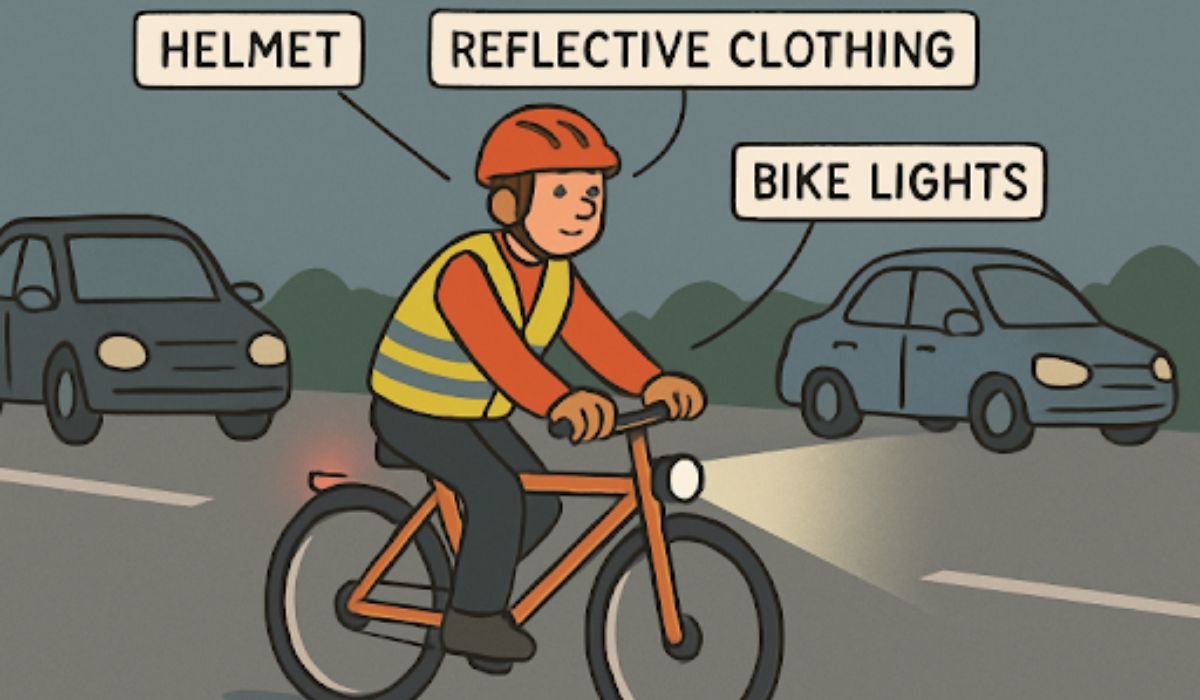
Riding a bicycle is a rewarding way to commute, exercise, or enjoy the outdoors. The benefits extend far beyond improved physical fitness; cycling also reduces carbon emissions and lowers transportation costs. Yet, sharing the road with larger, faster vehicles requires every cyclist to prioritize safety at all times. Whether you are a seasoned rider or new to cycling, adopting practical road safety measures can make your journeys more enjoyable and secure. One important step includes maximizing your field of vision with tools like international rear view bike mirrors, which provide valuable awareness of the traffic environment behind you.
Cyclists face unique risks in mixed-traffic conditions, so understanding how to interact safely with motorists is essential. Simple habits, such as obeying laws, increasing visibility, and using protective equipment, can lower your chances of a crash. These strategies not only help cyclists avoid danger but also foster respect between drivers and riders. Comprehensive awareness and reliable gear remain the foundation for safer cycling any time of day and on every type of road.
Obey Traffic Laws
Every cyclist is responsible for following the same rules that govern motorists. This includes observing traffic signals, yielding when required, and stopping at red lights and stop signs. By riding predictably and adhering to these laws, cyclists make their intentions clear to others on the road. Following these regulations not only keeps riders safer but also promotes smoother interactions with drivers and can help reduce accidents. According to the National Highway Traffic Safety Administration, compliance with traffic laws is crucial to preventing bicycle collisions.
Stay Visible
Being seen is one of the most vital components of bike safety, especially in low-light or poor weather conditions. Reflective gear, high-visibility apparel, and proper lighting on your bicycle all enhance your visibility to drivers. Using both a front white light and a rear red light after dusk or before dawn is not just strongly recommended but required by law in many locations. Bright and reflective clothing also makes a significant difference in increasing your profile on the road, greatly reducing the risk of being overlooked by motorists.
Use Hand Signals
Communication on the road does not always involve words. Cyclists must clearly signal their intentions to other riders and motorists, especially when turning, stopping, or changing lanes. To signal a left turn, extend your left arm straight out. For a right turn, extend your left arm and bend it upward, or extend your right arm out to the side. Signaling well before you act gives drivers ample time to adjust, lowering the chances of confusion or close encounters. These simple signals serve as a universal language among all road users.
Be Predictable
Unexpected moves can startle drivers and increase the risk of a collision. Cyclists should avoid weaving between parked cars, sudden lane changes, and erratic riding. Instead, maintain a steady, straight line and follow the natural flow of traffic. Building predictable habits not only boosts your own safety but also makes you more respected by other road users.
Ride Single File
Group rides are popular for camaraderie and visibility, but occupying more than one lane can block traffic and frustrate motorists. In areas with limited passing space or narrow shoulders, always ride single file. This practice keeps the group more orderly and helps drivers pass safely. Many local laws require single-file riding, except on designated bike trails or wide roads, so check the regulations in your area before setting out in a group.
Stay Alert
Staying focused is essential for recognizing and responding to hazards like potholes, loose gravel, or suddenly opened car doors. Distractions can also make it difficult to hear approaching vehicles or emergency signals. Listening to music or using headphones interferes with your perception and should be avoided, especially on busy streets. Practicing situational awareness allows riders to respond quickly to unpredictable events, leading to safer outcomes for everyone.
Wear Protective Gear
Helmets are the single most important piece of protective equipment for cyclists, dramatically reducing the risk of head injuries in a crash. In addition to a well-fitted helmet, gloves, padded shorts, and reinforced jackets help cushion falls and protect skin from scrapes and road rash. Although you cannot control drivers’ actions, you can reduce the impact of accidents with proper gear.
Maintain Your Bicycle
Mechanical issues pose significant dangers, especially when traveling at higher speeds or navigating traffic. Make a habit of checking your brakes, gears, and tire pressure before every ride. Look out for worn-out brake pads, loose bolts, or wobbly wheels that could compromise your control. Scheduled tune-ups at a reputable bike shop can prevent long-term problems and ensure your ride remains dependable and safe.
Incorporate these strategies into every ride to enhance your and others’ safety. Proactive steps, such as maintaining your bike, signaling turns, and staying alert, lead to a safer shared road experience.
Final Thoughts
Prioritizing bicycle safety protects not only yourself but also everyone sharing the road. By obeying traffic laws, staying visible, signaling clearly, and riding predictably, you reduce the risk of accidents and build positive interactions with motorists. Combining these habits with proper protective gear, vigilant awareness, and regular bike maintenance ensures every ride is safer and more enjoyable. Consistently applying these strategies fosters confidence, promotes responsible cycling, and helps make roads safer for all.
YOU MAY ALSO LIKE: Common Bike Accident Scenarios and How to Stay Safe