
 By MADE
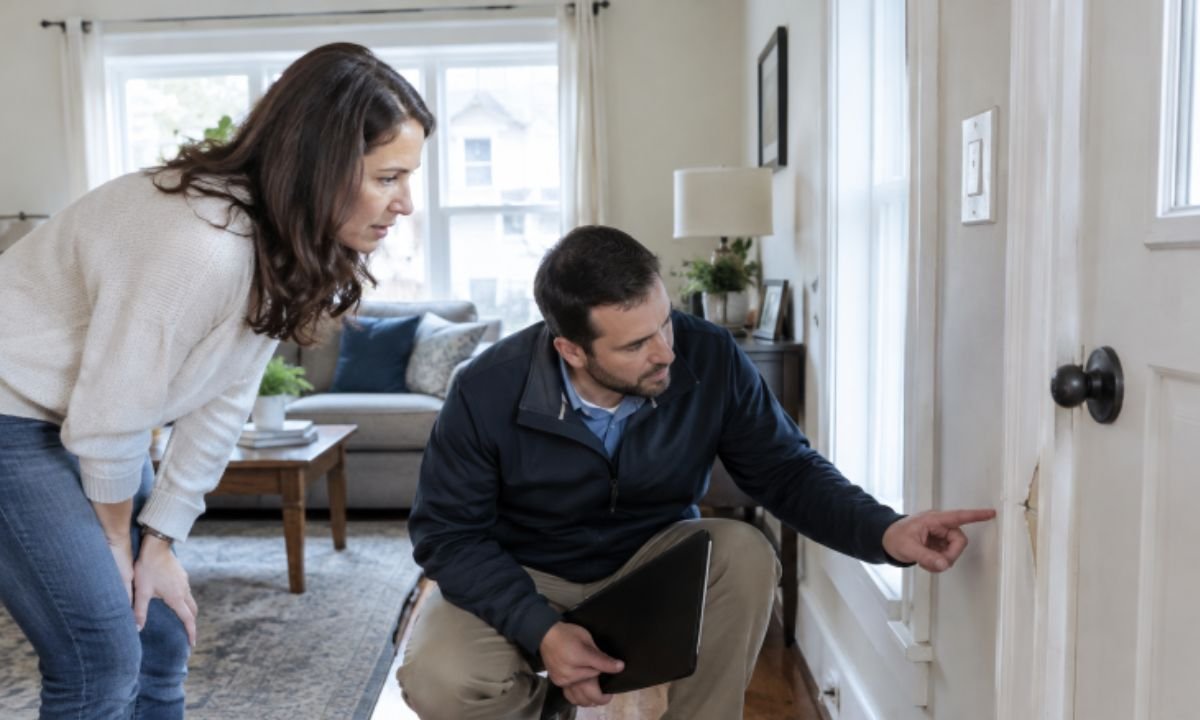
Preparing a Toms River home for sale does not require a full renovation. The more effective approach is to make the property clean, safe, easy to understand, and ready for buyers to picture as their own. From beach-area cottages and retirement-community homes to larger inland properties, thoughtful preparation can reduce distractions before a showing begins.
For homeowners selling your home Toms River, ADK Realty & Consulting Services LLC offers a seller-focused resource covering home preparation, strategic repairs, local comparable-property review, pricing, and presentation. Based in Toms River and serving local homeowners, the firm’s guidance is especially useful when deciding which improvements deserve attention before a property enters the Ocean County market.
Why Smart Preparation Beats Expensive Remodeling
Buyers do not expect every home to look brand new. They do, however, notice signs of deferred maintenance. A dripping faucet, stained ceiling, sticky door, or crowded closet can make a buyer question the condition of systems and spaces they cannot easily inspect. Start with practical repairs and presentation rather than upgrades that reflect only personal taste.
1. Begin With an Honest Walk-Through
Walk through the home slowly as though you are seeing it for the first time. Enter through the front door, open closets, test lights, and look closely at bathrooms, kitchens, utility areas, and exterior steps. Make three lists:
- Must-fix problems: safety concerns, active leaks, broken fixtures, drainage issues, and visible damage.
- Low-cost improvements: paint touch-ups, fresh caulk, new bulbs, cleaned windows, and hardware adjustments.
- Optional upgrades: projects that may improve appeal but are not necessary to list the home.
Ask a trusted friend for a candid opinion, or request a professional walk-through. A fresh set of eyes often notices odors, clutter, dark corners, and worn details that a homeowner has learned to overlook.
2. Repair Issues That Can Create Buyer Doubt
Prioritize problems that appear unfinished, unsafe, or expensive. Address leaking faucets, running toilets, loose railings, damaged steps, cracked caulking, faulty switches, broken light fixtures, and doors that will not close correctly. Check gutters and grading as well, particularly after heavy rain, because water management matters in coastal and low-lying parts of Toms River.
A pre-listing inspection is optional, but it can give a seller time to understand repair needs before a buyer’s inspection. Keep estimates, invoices, permits, warranties, and service records organized.
3. Improve Curb Appeal Before Buyers Reach the Door
The exterior sets the tone for an in-person showing. Mow the lawn, trim overgrowth, pull weeds, clear leaves and seasonal items, sweep walks, and clean the entry. A fresh welcome mat, readable house numbers, working porch light, and tidy mailbox are modest details that help the property feel cared for.
Choose improvements that fit the home and neighborhood. Fresh mulch or a few healthy container plants can add color, while an oversized landscaping project may not be necessary. If the home has a deck, porch, or patio, clean it and define its purpose with simple outdoor seating where appropriate.
4. Declutter Without Making the Home Feel Empty
Buyers need room to see storage, circulation, and function. Remove excess furniture, countertop appliances, personal collections, and heavily packed closet contents. Consider off-site storage if the garage, basement, or closets feel full. Leave enough furniture behind to show how each room works, especially flexible rooms that could serve as an office, guest room, or hobby space.
5. Stage for Comfort and Daily Living
Staging can be as simple as cleaning, rearranging furniture, and adding balanced finishing details. Open pathways, use appropriately sized furniture, and let natural light into the home. Instead of making every room look formal, show practical living: a usable dining area, a comfortable living room, and an outdoor space that feels ready to enjoy.
Research in the National Association of REALTORS® home-staging profile notes that staging can help buyers visualize a property as a future home. Focus first on the living room, primary bedroom, dining area, and any space that gives the home a distinct advantage.
6. Prepare for Online Buyers and Set a Realistic Price
Listing photos often shape a buyer’s first impression. Before photography, clean windows, open blinds, replace dim bulbs, turn on lamps, and remove pet items, cords, trash cans, and refrigerator clutter. Use accurate images that show the home’s condition, layout, parking, storage, and outdoor areas clearly.
Price should be based on current comparable sales, competing listings, condition, location, and buyer activity, not sentimental value. If showings occur but serious offers do not, revisit feedback, presentation, and pricing with a local real estate professional.
7. Build a Simple Showing and Negotiation Plan
Create a repeatable showing routine: make beds, clear dishes, secure valuables, manage pet arrangements, adjust the temperature, open curtains, and turn on lights. Leave before buyers arrive when possible. Afterward, gather feedback without treating every opinion as a verdict on the home.
When offers arrive, compare more than price. Review financing, earnest money, contingencies, requested credits, closing timing, and the buyer’s ability to complete the transaction. Inspection findings can lead to repair requests or negotiation, so organized records and a calm response help keep decisions grounded.
Common Seller Questions
Should every room be professionally staged?
No. Some homes benefit from full staging, while others only need decluttering, cleaning, and furniture rearrangement. The right level depends on condition, layout, price range, and the likely buyer.
Which repairs should come first?
Start with safety concerns, water intrusion, active leaks, strong odors, visible damage, and items likely to appear in an inspection report.
How much should be spent before listing?
Set a budget, then prioritize improvements buyers can see and understand. Avoid costly changes that mainly reflect a seller’s individual style.
Final Checklist Before the Listing Goes Live
- Finish essential repairs and safety items.
- Deep-clean every room, including windows and storage areas.
- Reduce clutter and remove unnecessary furniture.
- Refresh the entry, yard, porch, and outdoor living areas.
- Confirm price using current local market evidence.
- Prepare accurate photos and listing details.
- Organize permits, warranties, receipts, and disclosures.
- Use the same quick routine before every showing.
Make the Home Easy to Choose
A successful sale does not depend on creating a perfect house. It depends on removing preventable concerns, highlighting useful features, and presenting the home honestly. With a focused preparation plan, Toms River sellers can invest wisely, reduce stress, and approach offers with greater confidence.