
 By MADE
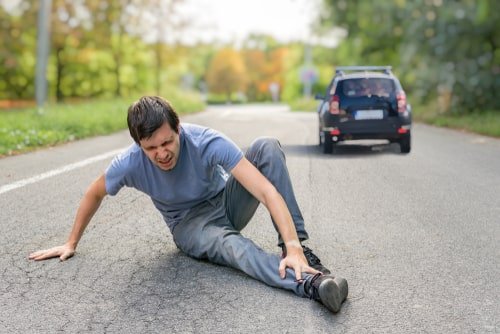
A hit-and-run crash can turn an ordinary drive through Mobile into a stressful financial and medical problem. Whether the collision happens near downtown, on Airport Boulevard, or in a crowded parking lot, the immediate question is often the same: who pays when the driver who caused the crash is gone? A rogervarnerlaw resource can help explain why the details of your own policy and the facts documented after the crash matter.
When the other driver is never found, there may be no at-fault insurer to pursue. That does not necessarily mean an injured person has no available coverage. In many cases, the next place to look is the injured person’s own auto policy, especially its uninsured motorist coverage and any optional medical or vehicle-damage protections.
Start With Safety and Medical Care
First, get to a safer location if the vehicle can be moved without creating more danger. Turn on hazard lights, check on passengers and others involved, and call 911 when anyone is injured, traffic is blocked, or the scene is unsafe. Do not follow the fleeing vehicle. Trying to identify a driver by chasing them can lead to another collision and may put everyone nearby at greater risk.
Seek medical attention promptly if you have pain, dizziness, headache, nausea, confusion, numbness, or other symptoms after the impact. Some symptoms related to a concussion or mild traumatic brain injury may not appear immediately. The CDC explains that symptoms of mild traumatic brain injury and concussion can emerge hours or days after an injury. Tell the medical provider that the symptoms followed a vehicle crash, follow treatment recommendations, and keep your discharge instructions, bills, prescriptions, and appointment records.
How Uninsured Motorist Coverage May Help
A hit-and-run driver who cannot be identified is often treated much like an uninsured driver for insurance purposes. Alabama’s insurance regulator explains that uninsured motorist coverage may pay when an injury is caused by a hit-and-run driver. The available amount, requirements, exclusions, and claim procedures depend on the policy language and the circumstances of the crash.
Uninsured motorist coverage is generally focused on bodily injury losses caused by a driver who lacks identifiable insurance. Depending on the policy and the documented injuries, a claim may involve medical expenses, lost income, and other injury-related losses. Coverage is subject to policy limits, and an insurer may investigate how the crash happened before deciding the claim.
Contact the insurer as soon as reasonably possible and clearly report that this was a hit-and-run collision. Provide accurate information, but do not guess about the other vehicle’s speed, plate number, or actions. Ask which parts of the policy could apply and what documents the insurer needs.
Who May Pay for Vehicle Damage?
Uninsured motorist coverage does not always pay for damage to your vehicle. Collision coverage is commonly the part of an auto policy that may help pay to repair or replace your car after a crash, regardless of whether the other driver is found. A deductible may apply, and the policy may require an inspection or photographs before repairs begin.
If the vehicle is unsafe to drive, arrange necessary safety-related repairs or towing. Before authorizing non-emergency work, photograph the damage from multiple angles and ask the insurer whether it wants to inspect the vehicle. Save repair estimates, receipts, towing invoices, rental-car records, and any communication about the claim.
Build Evidence Before Details Disappear
Even if police do not immediately identify the driver, evidence can support both the crash report and the insurance claim. Memories fade, and video systems may overwrite footage, so act quickly when it is safe to do so.
What to Record at the Scene
- The location, time, weather, lighting, traffic conditions, and direction the other vehicle traveled.
- The vehicle’s color, make, model, body style, distinctive marks, and visible damage.
- Any portion of the license plate that you saw, even if it is incomplete.
- Photos of the roadway, traffic signals, debris, skid marks, paint transfer, vehicle damage, and nearby landmarks.
- Names and contact details for witnesses, along with a brief note about what each person observed.
Also look for possible camera footage from businesses, homes, parking facilities, gas stations, or nearby intersections. Write down the camera location and the approximate crash time. A business or property owner may be willing to preserve footage, although they may not provide it directly without a formal request.
Report the Crash and Create a Claim File
Tell responding officers that the other driver left the scene, provide every available detail, and ask how to obtain the crash report or report number. A report is valuable documentation, but it does not guarantee the driver will be located or decide insurance coverage by itself.
Create one organized file, either digital, paper, or both. Include the police report, photographs, video files, witness information, medical records, receipts, repair estimates, claim correspondence, and a timeline of what happened. Track missed work, transportation expenses, and out-of-pocket medical costs. Keeping records together can make it easier to respond when an insurer asks for information later.
Common Mistakes to Avoid
- Leaving the scene without reporting the crash or seeking help for injuries.
- Chasing the other driver instead of protecting yourself and others.
- Waiting too long to notify the insurer or preserve possible video evidence.
- Deleting dashcam footage, photographs, messages, or notes related to the crash.
- Assuming soreness, headaches, or dizziness will resolve without medical attention.
- Accepting a payment before understanding the full extent of vehicle damage and medical treatment.
What If the Driver Is Found Later?
If law enforcement identifies the driver later, their liability insurance may become relevant. Your insurer may also seek reimbursement from that driver or their insurer after paying a covered claim. Continue preserving records even after the initial claim is opened, because new information about the driver, vehicle, treatment, or repair costs may affect what coverage is available.
Conclusion
When a hit-and-run driver is never found in Mobile, payment for injuries may come from your own uninsured motorist coverage, while collision coverage may help with vehicle repairs. The best first steps are straightforward: get safe, call for help, report the crash, seek medical care, preserve evidence, and review your policy promptly. Careful documentation cannot erase the disruption of a hit-and-run, but it can protect the information needed to pursue available coverage.