
 By MADE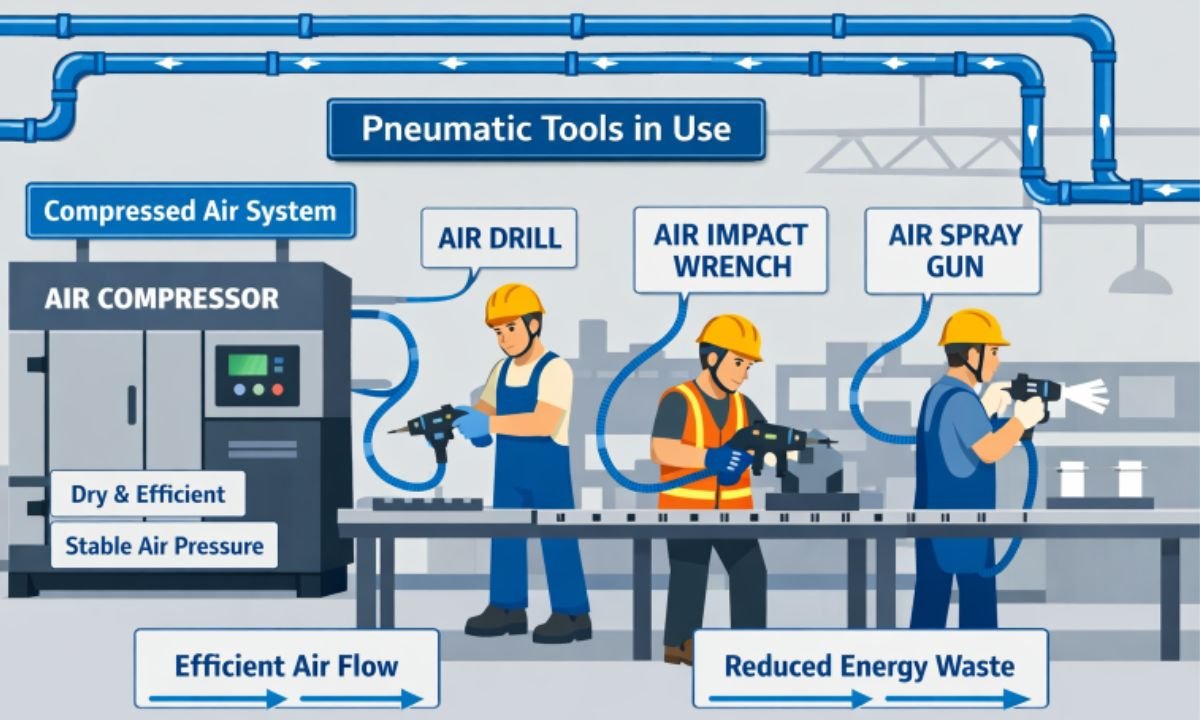
Modern manufacturing facilities rely extensively on compressed air systems to power tools, machinery, and essential processes. However, many businesses underestimate the critical importance of system optimization, resulting in wasted energy and unnecessary expenses. By focusing on system improvements, manufacturers can see notable increases in efficiency and reductions in operational costs. Companies seeking local support or equipment can find specialized services for air compressor products Jacksonville FL, ensuring they have access to the right products and support for optimal results.
Issues such as leaks, improper pressure regulation, and outdated equipment often go unnoticed in busy manufacturing environments. These inefficiencies not only drive up costs but also contribute to unexpected downtime or reduced system performance. By taking a proactive approach and investing in energy-efficient technologies and maintenance programs, facilities can maintain productivity and keep operational expenditures in check.
As compressed air typically accounts for 10 to 30 percent of a facility’s overall electricity usage, addressing its efficiency delivers substantial savings. Enhancing the design, usage, and care of these systems also ensures workplace safety and reliability, making optimization both a practical and strategic move for manufacturers. For further insight into industrial efficiency, refer to Britannica’s coverage.
The Role of Compressed Air in Manufacturing
Compressed air is a versatile and reliable utility, powering countless processes across manufacturing sectors. Its applications span from powering handheld pneumatic tools and machinery to handling bulk materials and applying finishes through spray coating systems. For instance, pneumatic equipment like air drills, nailers, and wrenches achieves high productivity thanks to the power and precision provided by compressed air. In addition, many assembly lines and robotic actuators use air pressure to move, press, and transport materials efficiently and smoothly.
Despite its usefulness, the cost of generating compressed air is quite high. This is due to the significant electricity required for compression, as well as the inherent energy losses during generation and distribution. As a result, manufacturers are encouraged to monitor system efficiency closely to optimize both production and spending. The United States Department of Energy offers valuable resources about compressed air’s impact on industrial energy use via energy.gov.
Common Inefficiencies in Compressed Air Systems
Manufacturers encounter several frequent challenges that erode the performance and cost-effectiveness of compressed air systems:
- Air Leaks: Tiny leaks in pipes, joints, or fittings might seem insignificant, but over time they result in significant energy losses that add up to higher utility bills.
- Inappropriate Uses: Utilizing compressed air for applications where other systems would suffice, such as using air to clean debris instead of mechanical sweepers, wastes both air and energy.
- Pressure Drops: Inefficient piping layouts or clogged filters often lead to pressure losses, forcing compressors to work harder and increasing equipment wear.
Acknowledging these inefficiencies is the first step toward cost-saving improvements and greater manufacturing uptime.
Strategies for Optimizing Compressed Air Systems
To achieve efficiency, manufacturers should implement targeted strategies within their compressed air operations. First, conducting thorough system audits reveals hidden leaks, pressure imbalances, or undersized components. Second, optimizing system design, such as shortening pipe runs, resizing compressors, and eliminating sharp bends in piping, minimizes unnecessary pressure drops. Finally, upgrading equipment to more modern, efficient models often delivers rapid returns on investment by reducing energy waste and enhancing system reliability.
Stepwise Optimization Approach
- System Audits: Schedule regular inspections to evaluate performance and uncover inefficiencies.
- Redesign for Performance: Analyze layout, pressure settings, and equipment sizing for the best possible match to actual production needs.
- Upgrade Technology: Move to compressors that dynamically adapt output to demand, such as those equipped with variable-speed drives to reduce idling losses.
Implementing Energy-Efficient Technologies
Recent advancements in compressor technology have opened new possibilities for efficient operation. Variable speed drive (VSD) compressors, for example, automatically adjust their speed and output to match the plant’s real-time demand. By avoiding the energy drain caused by constantly running traditional compressors, these advanced models can yield energy savings of 20 to 35 percent. Additional improvements include intelligent controls that provide operators with detailed insights into system usage and highlight opportunities for further adjustments. Upgrading ancillary equipment, such as air dryers and filters, can also improve air quality and reduce maintenance needs.
Automation and smart monitoring not only lower energy use but also stabilize air pressure, promote equipment longevity, and streamline system maintenance. Investing in modern technology, therefore, provides short-term savings and long-term operational resilience for manufacturers willing to improve their infrastructure.
Regular Maintenance and Monitoring
Consistent maintenance is fundamental to ensuring that compressed air systems operate efficiently over time. Scheduled inspections enable early detection of leaks or faulty components, preventing minor issues from becoming costly breakdowns. Regularly replacing filters maintains both air quality and compressor function by preventing contaminants from causing blockages or increased friction. Using advanced monitoring solutions provides visibility into energy consumption, pressure fluctuations, and system leaks, empowering operators to take corrective measures for optimal performance promptly.
- Check all joints and hoses regularly for air leakage.
- Replace filters and oil as recommended by the compressor manufacturer.
- Monitor energy use and repair inefficiencies as soon as they are identified.
Case Study: Improving Efficiency in a Furniture Manufacturing Plant
One furniture manufacturer faced excessive energy bills due to outdated compressed air equipment. By investing in a new rotary screw compressor with a VSD, the company better matched air output to production demands. Further, the plant launched a scheduled maintenance program that included routine leak checks and filter replacements. As a result, the plant achieved a 25 percent reduction in energy use and experienced fewer equipment failures, which meant more consistent production capacity and lower long-term operating costs. This real-world example illustrates how technology upgrades and a proactive approach to system care deliver measurable business benefits.
Conclusion
Improving the efficiency of compressed air systems remains a vital strategy for manufacturers seeking higher productivity and lower costs. By investing in audits, adopting new technologies, and reinforcing maintenance practices, organizations can reduce waste and boost operational effectiveness. As compressed air remains a cornerstone of manufacturing, optimizing these systems is not only prudent but also essential for business success in today’s competitive landscape.