
 By MADE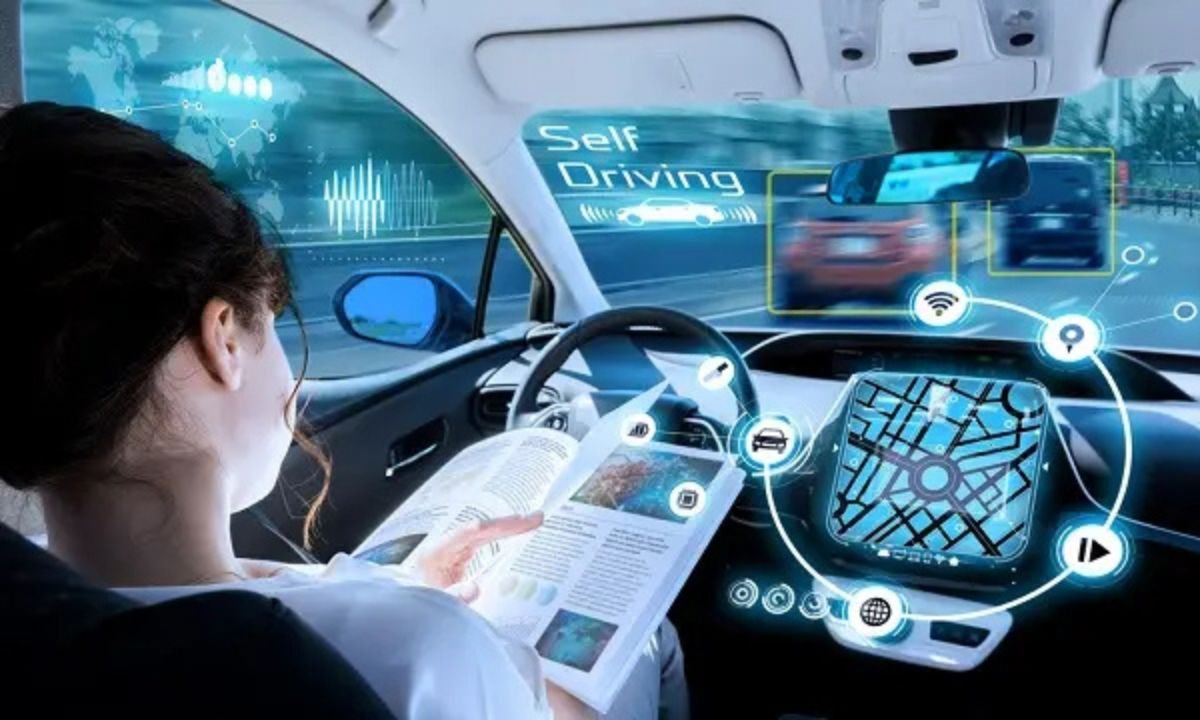
The automotive industry is experiencing a transformative era, with new vehicles introducing technologies and features that are redefining the driving experience. From advanced safety systems to enhanced fuel efficiency and eco-friendly designs, these innovations are setting new standards for what drivers expect from their cars. Modern vehicles are not just modes of transportation; they are becoming integrated hubs of connectivity, comfort, and convenience, shaping how people interact with the roads and with each other.
As these developments continue, many drivers are exploring the practical and technological benefits firsthand. Features like adaptive cruise control, lane-keeping assistance, and electric drivetrains demonstrate how the future of driving is evolving toward smarter, safer, and more sustainable practices. To understand the full scope of these changes, individuals can easily learn more about the technologies shaping everyday travel and long-term mobility trends, helping them make informed decisions about the vehicles they choose and how they navigate the road ahead.
The Autonomous Driving Revolution
Self-driving technology has transitioned from laboratory prototypes to real-world roads. Companies such as Waymo and Cruise are piloting autonomous ride-hailing services in cities including Orlando, Tampa, and New Orleans. This progress is paving the way for a future in which self-driving cars are seamlessly integrated into city life, improving efficiency while reducing traffic congestion. For travelers, autonomous cars can reduce navigation stress and enhance overall safety through advanced camera, lidar, and radar systems working in unison.
Electric Vehicles on the Rise
The global shift to electric vehicles (EVs) has gained momentum as battery technology advances, making EVs more affordable and accessible. Manufacturers are prioritizing longer range, faster charging times, and improved durability. This translates into meaningful benefits for drivers, charging stations are easier to find, and EVs can handle longer commutes on a single charge. Global EV sales reached new highs last year, reflecting rising consumer trust and government incentives supporting clean transportation.
Over-the-Air Updates: Keeping Cars Current
Modern vehicles can now receive over-the-air (OTA) software updates, keeping their systems secure and up to date with the latest features. This technology eliminates the need for frequent dealership visits, as improvements such as enhanced navigation, improved energy efficiency, and new entertainment options can be deployed remotely. OTA updates also help manufacturers quickly address potential issues, ensuring that vehicles remain reliable and at the forefront of innovation throughout their life cycle.
Hyper-Personalization in Modern Cars
The rise of connected vehicles means that personal preferences matter more than ever. With advances in biometric sensors and artificial intelligence, drivers can experience cars that remember their favorite climate settings, music playlists, optimal seat positions, and even adjust to their stress levels. This level of customization creates a more enjoyable and tailored journey every time the driver gets behind the wheel.
AI-Enhanced Vehicle Safety
Artificial intelligence is redefining vehicle safety by powering new preventative technologies. The United States is enacting regulations requiring automatic emergency braking (AEB) systems on all new passenger vehicles, technology that can prevent collisions with other vehicles and pedestrians at speeds up to 90 mph, even in low light. By incorporating sophisticated sensors and machine learning algorithms, modern cars can dynamically assess risks and take action faster than most human drivers, preventing thousands of accidents each year. The adoption of AEB is projected to save lives and greatly reduce injury rates on American roads. For more details, refer to the NHTSA’s official announcement.
The Impact of Robotaxis on Urban Mobility
Robotaxis are fundamentally changing how people move through cities. Autonomous ride-hailing fleets are already active in metropolises like San Francisco and Beijing. Their deployment is helping to reduce both traffic and emissions while offering affordable, on-demand rides at all hours. By 2030, experts expect significant scale, making shared autonomous transport a routine part of urban life. These fleets are designed with rider comfort in mind, using sophisticated AI systems that enable smarter route planning, quieter rides, and a better passenger experience. As cities evolve, robotaxis are proving integral to more sustainable and adaptable transportation ecosystems.
Future Trends in Automotive Technology
The road ahead is packed with transformative trends. Digital cockpits powered by AI are becoming the new standard for driver interaction, integrating navigation, real-time risk management, and even entertainment into a seamless user experience. These intelligent dashboards aim to connect every aspect of a driver’s digital life to their vehicle, streamlining communication and safety. Predictive maintenance, real-time traffic alerts, and smarter driver assistance tools are likely to become universal features, making every journey safer and more intuitive. The integration of AI will deepen further over the next decade, further personalizing and securing the driving experience.
Conclusion
The future of driving is unfolding rapidly, driven by breakthroughs in autonomous technology, artificial intelligence, and electrification. These advances promise to reshape urban mobility, increase safety, and deliver highly personalized experiences for every driver. As innovation accelerates, those who embrace these changes will be best positioned to enjoy the benefits of a smarter, greener, and more connected future on the road.