
 By MADE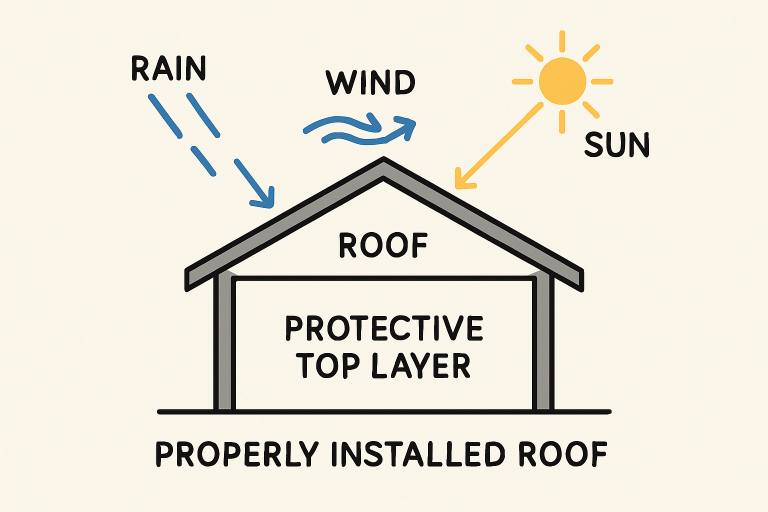
Key Takeaways
- Professional roof installation protects the structure and ensures long-term durability.
- Precision in installation directly impacts energy efficiency and ongoing maintenance needs.
- Adhering to building codes and selecting appropriate materials improves returns on investment.
- High-quality installation increases property value and streamlines future repairs and inspections.
A building’s roof is the first and strongest line of defense against weather and environmental elements. When it comes to commercial roof installation, the stakes are even higher, as the quality of workmanship impacts both immediate safety and the structure’s long-term performance. Choosing to prioritize proper installation is a key step in promoting durability, efficiency, and security for any property.
From small leaks to major structural issues, improper installation can cause a cascade of costly problems. This affects not only the building’s operational lifespan but also energy consumption, maintenance budgets, and asset value. Ensuring the roof is installed correctly at the start is therefore a worthwhile investment for any property owner.
While commercial buildings face unique challenges, thoughtful installation benefits every type of property. Installations for homes, highlighted through services such as residential roofing, employ similar principles for ensuring safety, comfort, and value.
Structural Integrity and Protection
The roof plays a crucial role in shielding the building from rain, wind, and extreme temperatures. Precision during installation ensures that all components, from underlayment to exterior materials, are properly positioned and fastened. Any gaps, loose fasteners, or misalignments can create weak points, allowing moisture to penetrate or wind to cause damage. Over time, this deterioration can spread to rafters, ceilings, and even foundations, threatening the integrity of the entire structure. According to the U.S. Department of Energy, properly installed and insulated roofs help manage internal temperatures and prevent heat loss or gain, thereby preserving the underlying structure.
Energy Efficiency and Indoor Comfort
The roof impacts a building’s ability to regulate heat and airflow. Incorrectly placed insulation or seals can introduce unwanted drafts or hot spots, undermining the performance of HVAC systems. Over time, poorly installed roofs can cause sharp increases in energy costs. Correct installation, particularly of vapor barriers and ventilation systems, is essential for keeping conditioned air inside and outside air where it belongs. This sensitive balance translates to lower energy bills and improved overall comfort within the property.
Preventing Costly Repairs and Maintenance
When the initial installation is completed with care and in accordance with industry best practices, the resulting roof system resists common issues such as leaks, rot, and pest infestations. Minor mistakes, such as improper flashing or loose shingles, may seem insignificant but can cause major headaches down the line. Frequent repairs not only disrupt business operations or personal life but also require additional investment over time. A solid installation is the foundation for extended lifespans and reduced emergency repairs.
For a comprehensive look at common roof repair issues related to improper installation, resources like Forbes’ Roofing Buying Guide offer useful insights for identifying and preventing problems early.
Adherence to Building Codes and Standards
Professional roofers follow local codes and industry regulations to ensure not only the functionality but also the legality of a roofing project. Building codes account for weather resistance, wind loads, fire resistance, and more. Non-compliance can lead to legal challenges or forced renovations, which are far more expensive than initial investments in proper installation. In addition, many manufacturers require proof of code compliance to validate warranties for new roofs.
Enhancing Property Value
Property inspectors and potential buyers pay close attention to a roof’s age and condition. A new, well-installed roof signals that the building is structurally sound, well-maintained, and unlikely to require unexpected repairs, making the property more attractive to buyers. This perceived value increase also affects insurance rates and negotiations. Whether selling, refinancing, or maintaining peace of mind, a reliable roof is a visible and valuable asset.
Climate Considerations and Material Selection
Every region has its unique climate challenges, from harsh UV exposure and heavy rainfall to freeze-thaw cycles. Proper installation involves choosing materials best suited for local weather patterns, then installing them with correct techniques for optimal performance and longevity. For example, the use of reflective or insulating roofing materials can reduce indoor temperatures during summer, fighting heat buildup in certain climates. Careful planning and professional guidance ensure both the right materials and installation methods are employed for maximum resiliency.
Long-Term Maintenance Benefits
A roof that is designed and installed with accessibility and durability in mind makes ongoing maintenance easier and less disruptive. Roof inspections become easier, repairs are less frequent, and preventive maintenance is more effective. In the long run, this reduces both direct and indirect costs while supporting the roof’s extended service life. Establishing a maintenance routine after installation further safeguards the investment and keeps future challenges at bay.
Conclusion
Quality roof installation is a critical investment for both commercial and residential buildings. Whether the need is for weather protection, energy savings, or property value, the initial commitment to professional standards and local knowledge pays dividends for decades. For any property owner, focusing on every detail of installation today sets the stage for safer, more efficient, and more valuable buildings in the future.
READ ALSO: Modern Roof Maintenance Tips Homeowners Should Know