
 By MADE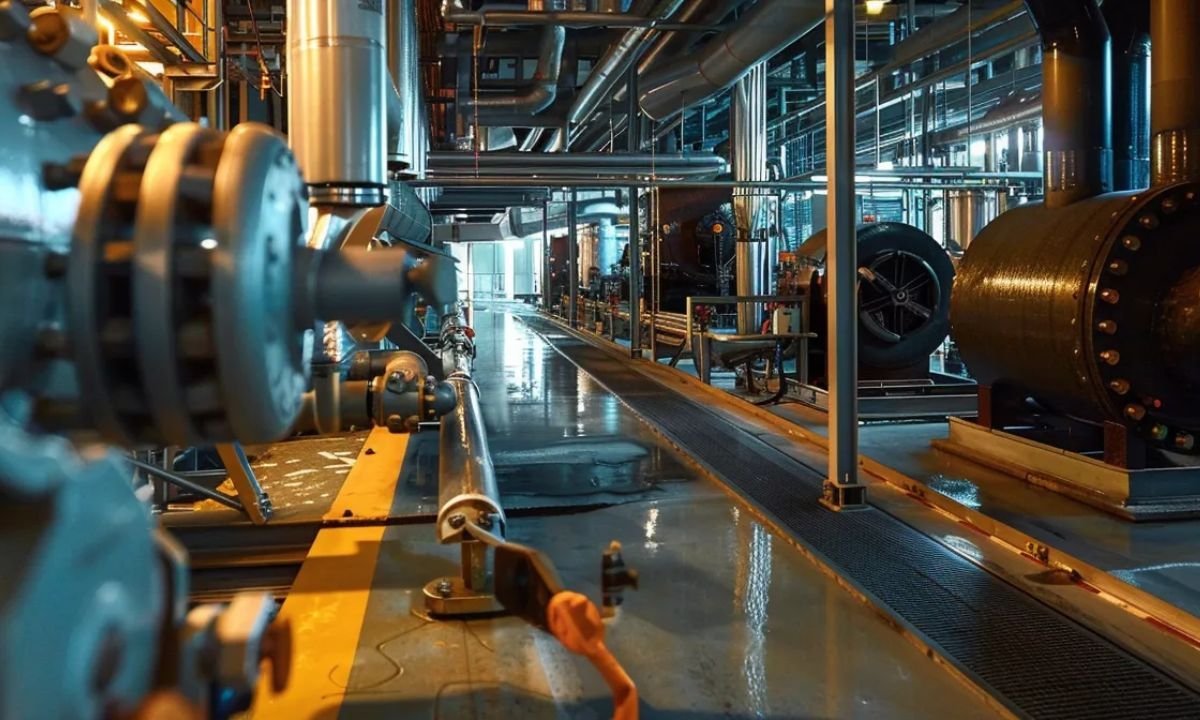
Water cooling systems are vital components in various industrial operations, providing essential thermal management to maintain machinery at optimal working temperatures. By utilizing these systems, industries can achieve higher efficiency, minimize waste, and protect valuable equipment from the damaging effects of overheating. The implementation of efficient water cooling solutions is not only a cornerstone of modern manufacturing but also a significant factor in a company’s economic and sustainability goals. In this article, we will delve into the importance of these systems and how they can profoundly impact the industrial sector.
Understanding the Role of Water Cooling in Industrial Efficiency
In industrial settings, keeping equipment cool is more than just preventing breakdowns; it’s about sustaining performance and minimizing energy usage. Water cooling systems work by transferring heat from machinery to water, which is then circulated and cooled for reuse. This method is highly effective due to water’s superior thermal conductivity and heat capacity compared to air, which allows it to absorb and dispel heat more efficiently.
Efficient water cooling solutions not only maintain the right operational temperatures but also contribute to a leaner energy footprint. The conservation of water and energy resources is a growing concern among industries, and cooling systems play a pivotal role in these conservation efforts. Efficient water cooling solutions can provide a path to not only maintain but also improve upon these efficiencies.
Regular maintenance and upgrades to cooling systems are essential for ensuring ongoing operational efficiency. When water cooling components become outdated or start to deteriorate, they can consume more energy and water than necessary, elevating operational costs. Therefore, an investment in state-of-the-art cooling technology can yield long-term savings and environmental benefits.
Water Cooling Versus Air Cooling: Comparing the Impact on Industrial Operations
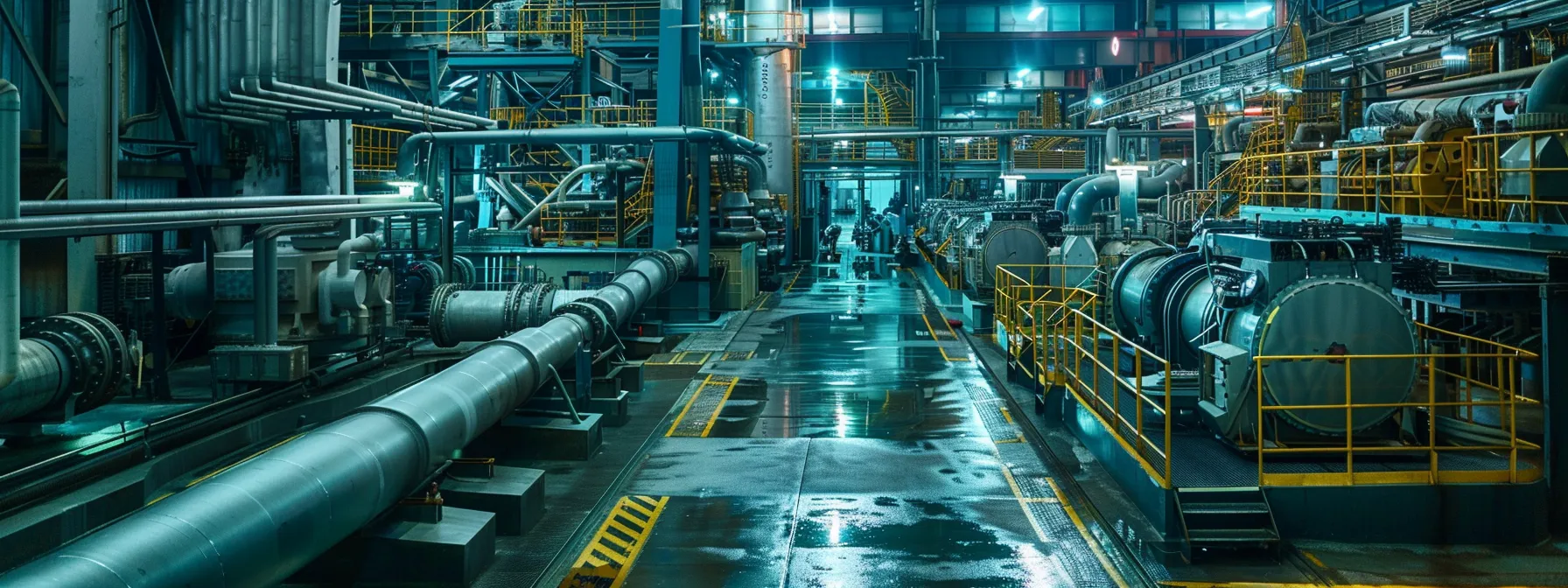
The debate between water cooling and air cooling revolves around efficiency, cost, and application suitability. Air cooling, while simpler in design, often falls short when it comes to managing the high heat loads typical in industrial environments. Its reliance on ambient air can also be a drawback in areas with high temperatures or limited airflow, which can compromise its cooling effectiveness.
Water cooling, on the other hand, offers an advanced level of heat dissipation due to water’s capacity to absorb heat more rapidly than air. It enables closer temperature control, ensuring that machinery operates within a tighter thermal range. This precise management is crucial in processes where consistent quality and tight tolerances are required, such as in plastics manufacturing or metalworking.
Implementing Advanced Water Cooling Techniques for Energy Savings
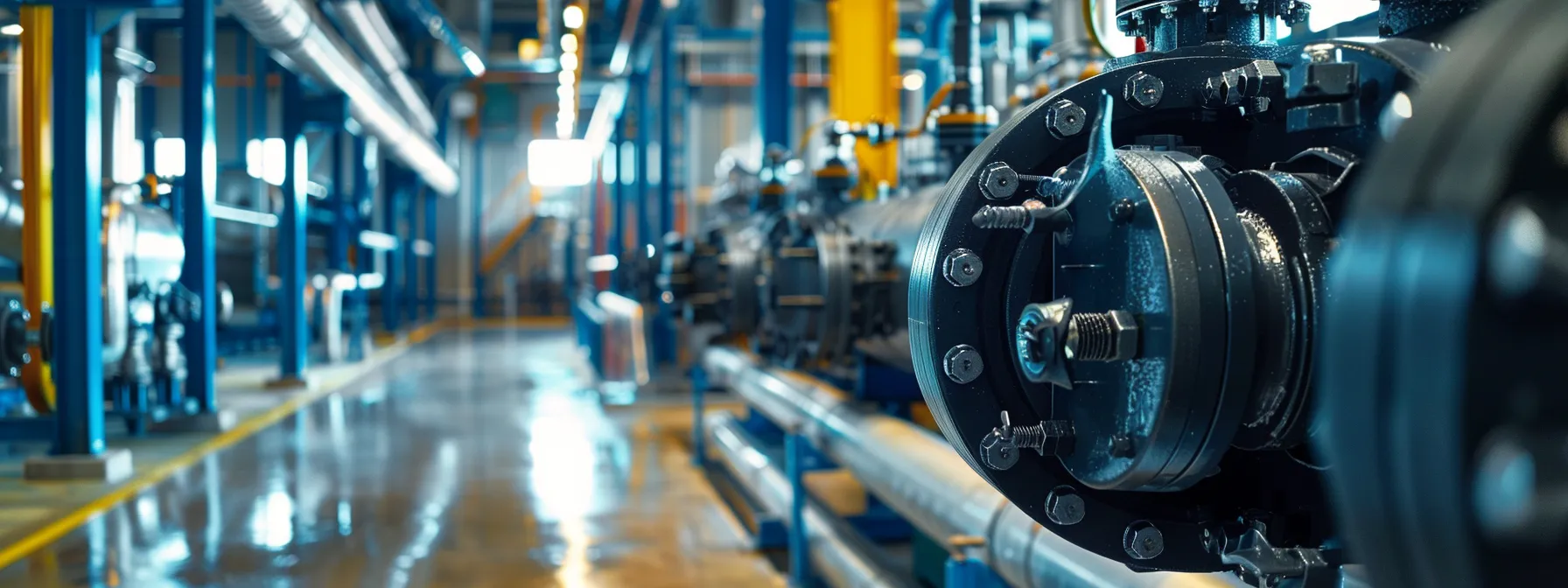
Among the advanced techniques in water cooling, closed-loop systems stand out for their efficiency and sustainability. These systems recycle water through a contained circuit, minimizing water loss and reducing the need for constant freshwater supplies. Advanced cooling systems also often incorporate techniques such as free cooling, which leverages the cooler outdoor air temperatures during certain times of the year to assist in the cooling process, thereby saving energy.
Variable frequency drives (VFDs) are another technology that can optimize water cooling systems. VFDs adjust pump and fan speeds according to the real-time cooling demand, reducing unnecessary energy expenditure. When integrated with automated controls and sensors, VFDs can significantly lower the overall energy usage of cooling operations, showcasing a merger of energy efficiency and technological sophistication.
Heat recovery is an additional consideration when implementing an advanced water cooling setup. This process involves capturing the waste heat from industrial processes and repurposing it for other needs, like heating spaces or preheating boiler feedwater. Not only does this approach save energy, but it also maximizes the utility of all heat produced, embodying a holistic view of industrial thermal management.
Case Studies: Success Stories of Water Cooling in Heavy Industries
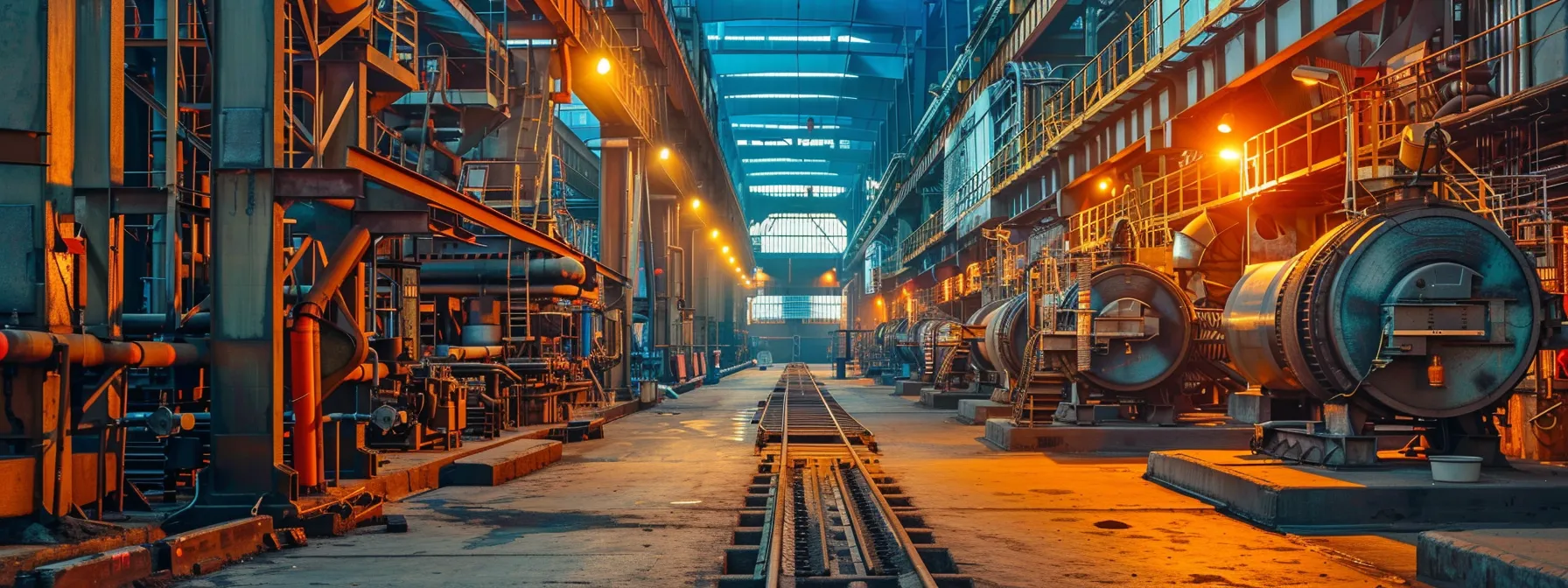
Exploring real-world applications of water cooling systems reveals their transformative impact. In the steel industry, for instance, one plant implemented a state-of-the-art water cooling system for its hot rolling mill. This led not only to a dramatic improvement in energy efficiency but also to a significant boost in production capacity, demonstrating the direct economic benefits of proper thermal management.
In another case study from the chemical sector, a company faced challenges with an outdated cooling infrastructure that caused frequent production halts. After upgrading to a cutting-edge, closed-loop water cooling system, they experienced a dip in both energy usage and greenhouse gas emissions while increasing plant reliability and product quality.
Overall, the integration of efficient water cooling solutions in industrial operations stands as a testament to the symbiotic relationship between technological progress and operational excellence. By leveraging such systems, industries can enhance equipment performance, reduce energy consumption, and achieve their sustainability goals, all of which contribute to the broader narrative of innovation and environmental stewardship in the industrial sector.
YOU MAY ALSO LIKE: How to Reduce Your Energy Bills with Smart HVAC Solutions?