
 By MADE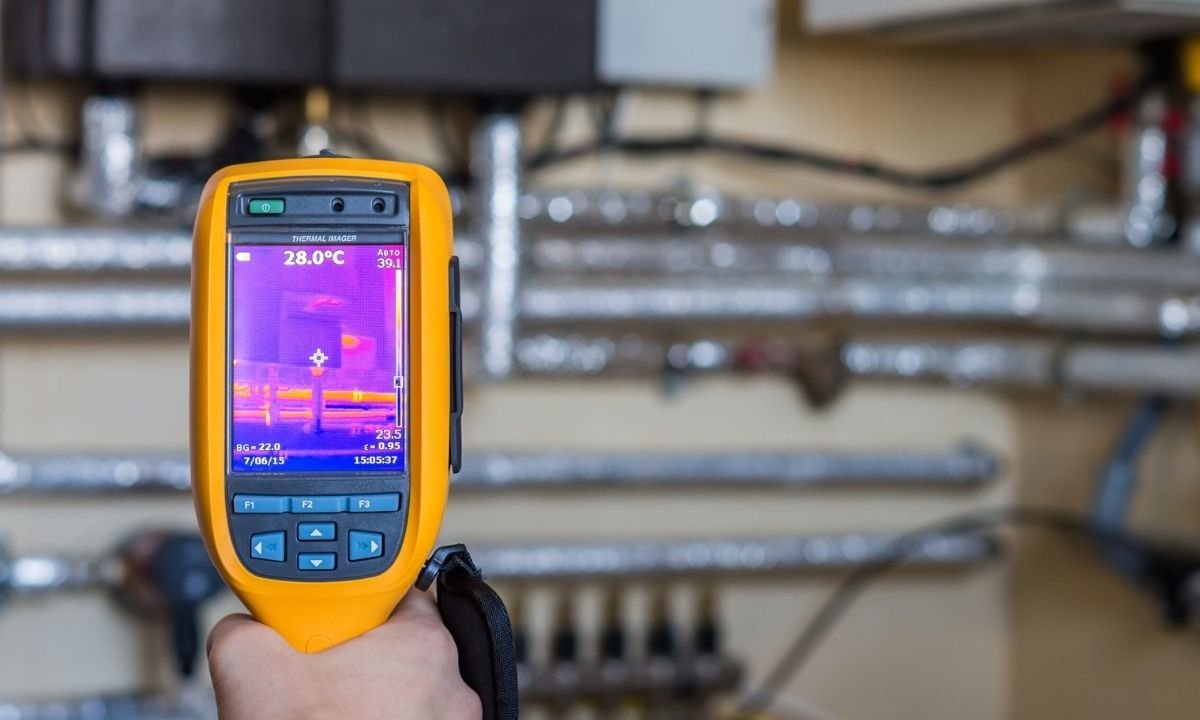
Water scarcity is a mounting concern worldwide, impacting communities, industries, and agricultural sectors alike. In both urban and rural settings, undetected and unresolved leaks can lead to significant water loss, not only threatening water supplies but also increasing utility costs and straining infrastructure. As cities and homeowners seek ways to tighten water management, modern techniques in leak detection are rapidly becoming central to sustainable solutions. Whether for large municipal systems or individual homes facing issues like a dripping faucet or a hidden roof problem, choosing the right technology or service—often with a simple search such as leaking ceiling repair near me—can make a dramatic difference in conservation efforts.
What sets these modern methods apart is their reliance on data, automation, and advanced sensors to identify inefficiencies proactively. These innovations enable us not only to respond to obvious issues but also to identify and address invisible losses early. In an era when every drop counts, transforming leak detection from a reactive, manual task to a high-tech, preventive solution is essential for long-term water sustainability.
The Importance of Leak Detection
Undetected leaks in water distribution systems cause a ripple effect across entire communities—leading to wasted resources, increased treatment costs, potential property damage, and environmental harm. Industry estimates suggest that up to 30% of distributed water can be lost as ‘non-revenue water’—a figure that translates to hundreds of billions of gallons annually worldwide. This lost water not only erodes the bottom line for utilities but also puts unnecessary strain on already limited freshwater resources, according to data highlighted by the Environmental Protection Agency.
Beyond direct water loss, ongoing leaks can foster mold growth, undermine structural integrity, and lead to unexpected repair bills for businesses and homeowners. With climate variability altering rainfall and drought patterns, every unrecovered drop represents a missed opportunity to bolster water security.
Advancements in Leak Detection Technologies
Traditional leak detection often calls for visual inspections, checking meter readings, or even digging up suspected areas—a costly and time-intensive method. Modern leak detection has shifted to remote, sensor-driven processes. Technologies like the AquaSentinel AI system deliver real-time monitoring with interconnected sensors placed along pipelines. By analyzing water pressure variations and acoustic signals, AquaSentinel has demonstrated a detection accuracy of up to 100% in several pilot projects. These systems are not just for new infrastructure; they can frequently be retrofitted, helping cities and aging suburbs alike bring their water systems up to date.
Integration with geographic information systems (GIS) further empowers repair teams, enabling them to pinpoint leak locations to the precise intersection or house number. The ability to overlay historical repair data with real-time sensor alerts accelerates the entire cycle from detection to solution.
AI and Machine Learning in Leak Detection
The emergence of AI-driven leak detection is transforming water management into a proactive, data-rich field. Machine learning algorithms ingest vast streams of sensor data, training themselves to recognize subtle anomalies—such as nighttime water flow spikes or unexpected pressure drops. These automated systems can trigger alerts well in advance of major breaks, saving both water and damage repair costs.
This predictive maintenance perspective is invaluable for overburdened utility operators, particularly in densely populated urban areas or regions prone to pipe corrosion and seismic activity. When AI-driven analytics are fused with traditional monitoring, system reliability and data-driven decision-making rise significantly. For a deeper look, reputable sources such as the American Water Works Association provide expert coverage on how digital transformation underpins better water asset management.
Acoustic and Thermal Imaging Techniques
Sound and heat are rapidly becoming primary languages in modern leak diagnostics. Acoustic detection utilizes highly sensitive microphones and ground sensors to detect the subtle noises of leaks beneath streets or within walls, isolating problematic points without the need for digging. Trained technicians analyze the sound profile to distinguish between normal operation and the pulsating hiss or gurgle of escaping water. This technique is particularly effective for long, buried pipelines in urban environments.
Thermal imaging is a powerful complement. Bypassing the need to open up floors or walls, thermal cameras visually map out temperature differences—cool spots that betray leaking pipes or hidden ceiling threats. This non-destructive method drastically reduces repair time and protects residents or businesses from prolonged outages. In practice, combining these tools enables detection across a broad spectrum of leaks, from pinhole pipe failures to ruptured mains behind concrete or tile.
Smart Meters and Sensor Networks
Smart water meters have revolutionized water delivery, much like digital thermostats have transformed home heating. Installed at the household, district, or building level, these devices provide real-time water usage data, automatic leak alerts, and even remote shut-off capabilities. Patterns in the data can indicate problems long before visible signs appear, sparing users from unpleasant surprises.
Sensor networks are equally powerful for centralized systems, often connected by the “Internet of Things” (IoT). They transmit continuous data streams that utilities analyze in real-time, enabling the rapid deployment of repair crews to minimize water loss and service disruptions. Smart meter adoption also empowers consumers, who can monitor their usage and respond quickly when they receive alerts, thereby further conserving water in everyday life.
Challenges and Future Directions
Despite the impressive performance of new detection technologies, barriers to mass adoption remain. High upfront costs, the complexity of retrofitting old infrastructure, and data management challenges can deter smaller utilities or cash-strapped municipalities. Encouragingly, industry leaders are focusing on developing more cost-effective sensors, expanding cloud-based monitoring to lower technology investment thresholds, and pursuing public-private partnerships to share costs and expertise.
Looking ahead, the use of drones and robotics for remote or hazardous inspections, as well as further improvements in AI for predictive maintenance, and scalable, affordable technologies, promise to make high-performance leak detection accessible across communities of every size.
Final Thoughts
Modern leak detection methods are fundamental to shaping a future of sustainable water use. By adopting technologies such as AI analytics, acoustic sensing, and smart meters, homeowners and cities alike can slash water losses, protect critical infrastructure, and contribute to resilient, climate-ready communities. As innovation continues to accelerate, the potential for impactful conservation grows, making advanced leak detection not just a modern convenience but a global necessity.
READ ALSO: Roof Service Solutions for Leaks, Damage, and Weather Protection