
 By Siam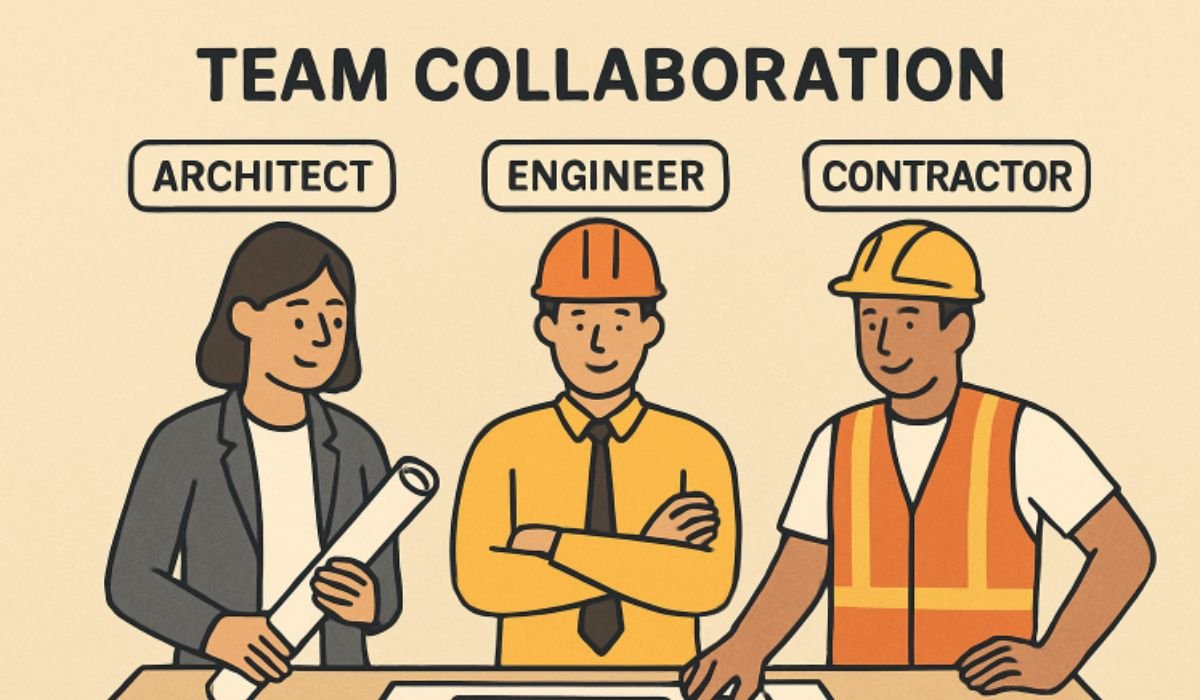
The Shift Toward Collaborative Construction Delivery
The construction sector is significantly shifting from traditional, segmented delivery methods to more collaborative models like design-build. While design-bid-build once dominated—separating design and construction teams—design-build unites architects, engineers, and contractors under one contract. This integration reduces delays, fosters collaboration, and minimizes conflicts often seen in siloed approaches.
Research highlights the growing adoption of integrated teams across private and public projects, which clearly benefits risk management, transparency, and efficiency. For organizations exploring this approach, resources such as https://koehncs.com/delivery/design-build/ provide valuable insights into optimizing collaboration and unlocking the advantages of design-build project delivery.
The move to design-build is not simply a change in project delivery; it reflects a broader industry recognition that true project success is a team effort. By harnessing integrated expertise early, project owners benefit from smoother workflows and more accurate project scoping. This growing preference quickly becomes the benchmark for organizations seeking predictability and efficiency.
How the Design-Build Process Streamlines Projects
The design-build process is structured to promote efficiency at every project phase. It begins with a thorough understanding of the owner’s vision and goals, and the design-build team collaborates intensively from concept development to final plans. Continuous communication is embedded in every step, minimizing misinterpretations and facilitating quick decision-making. As a result, challenges that might otherwise delay the project are identified and addressed in real time.
One of the design-build method’s hallmark benefits is single-point accountability. Project owners interact with a cohesive entity for design, costing, scheduling, and construction rather than juggling multiple contracts. This integration streamlines timelines while providing tighter cost control—realizing savings often passed on to the client. According to a comprehensive study in Construction Dive, this approach leads to markedly fewer change orders and improved project delivery outcomes for infrastructure projects.
Benefits of Early Contractor Involvement
Early contractor involvement is central to the design-build philosophy. Engaging builders during the earliest design stages enables proactive identification of potential constructability issues, logistical concerns, and opportunities for value engineering. This preemptive strategy reduces the likelihood of costly change orders and schedule overruns.
For example, a landmark municipal building project in the Midwest utilized early contractor collaboration to accelerate permitting and mitigate supply chain risks. The move shaved months off the construction schedule and kept costs below initial projections. Across sectors, organizations are now embracing this integrated approach to unlock design innovation, improve stakeholder buy-in, and promote project certainty.
Managing Risk with the Design-Build Approach
Traditional project delivery methods often diffuse risk, with designers and contractors holding separate obligations and sometimes shifting responsibility when issues arise. In contrast, design-build projects centralize risk by holding the integrated team accountable for outcomes. This model creates an environment where issues are resolved collaboratively rather than contentiously.
To effectively mitigate risk, design-build teams harness proactive planning, regular risk assessments, and transparent communication with the owner. By addressing uncertainties early—whether related to scope, compliance, or site conditions—teams can devise tailored contingencies, preserving project budget and schedule. Industry best practices underscore the value of explicitly defining roles and fostering an open environment for escalation and resolution of unforeseen challenges.
The Role of Technology in Modern Design-Build Projects
Technology serves as the connective tissue in contemporary design-build construction. Building Information Modeling (BIM) and advanced project management platforms streamline everything from real-time design collaboration to schedule tracking and resource allocation. BIM, in particular, enhances visualization, catches clashes early, and allows teams to build digital models that simulate every stage of construction before ground is broken.
Adoption of cloud-based communication tools, document management systems, and emerging solutions like digital twins continues to accelerate. For example, several recent mega-infrastructure projects in the U.S. and Europe have leveraged these tools to coordinate multidisciplinary teams, cut project timelines, and improve cost forecasting. Case studies highlighted in For Construction Pros underscore how these advances influence industry success rates.
Keys to Successful Collaboration in Integrated Teams
Strong communication is the backbone of successful design-build projects. Clear protocols, regular meetings, and aligned objectives ensure everyone understands the project’s direction. Stakeholders who invest in collaborative planning sessions and transparent progress reporting build the trust necessary to navigate complexity together.
Effective collaboration extends to using digital project tracking tools, shared dashboards, and regular performance reviews. By establishing mutual expectations, maintaining open lines of communication, and celebrating milestones, teams foster accountability as well as a shared sense of ownership. These strategies underpin the higher client satisfaction rates and repeat business seen with design-build approaches.
Design-Build in Practice: Diverse Project Examples
Design-build has proven successful across various projects, from commercial office campuses to public schools and industrial facilities. One example is a state government choosing design-build for a new transportation hub, allowing creative engineering solutions and rapid adaptation to evolving transit needs. Another is a private tech company leveraging the model’s efficiency to fast-track a data center build in record time, with seamless handoff from design to commissioning.
Post-construction assessments frequently reveal fewer claims, better budget adherence, and higher-quality outcomes with design-build methods. Reflecting on these project case studies illustrates how integrated delivery consistently produces strong project metrics regardless of sector or scale.
Future Directions for Design-Build Construction
Looking ahead, the trajectory for design-build is marked by innovation, broader adoption, and emerging standards. Industry analysts anticipate greater integration of artificial intelligence, predictive analytics, and automation in project planning and construction. As regulatory frameworks and procurement policies evolve, design-build is expected to become the delivery method of choice for increasingly complex initiatives—from sustainable infrastructure to smart buildings.
Progressive owners and contractors should continue to invest in professional development, robust partnership networks, and new technologies to stay ahead. As collaborative project delivery cements its place at the industry’s core, those who master design-build’s principles are best positioned to unlock exceptional outcomes and enduring project value.
YOU MAY ALSO LIKE: Why Every Business Needs a Graphic Designer in the Digital Age