
 By Siam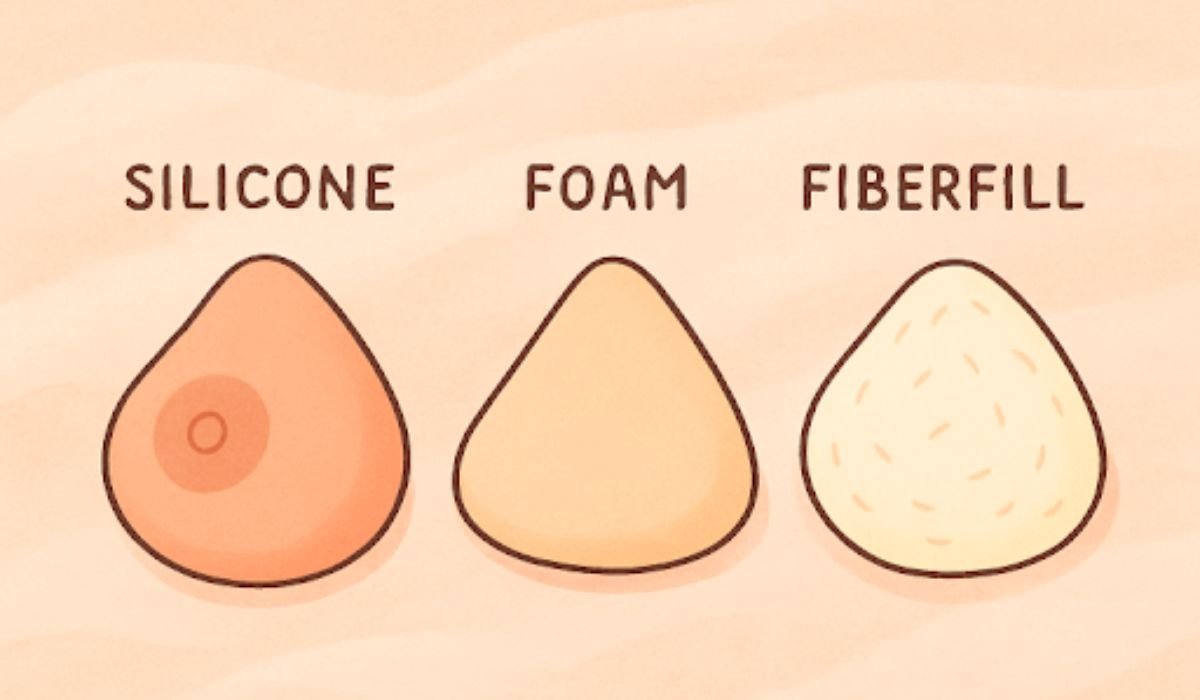
For many individuals, finding the right breast form is more than just a practical decision. It is about regaining confidence, feeling comfortable in daily activities, and restoring a sense of balance after surgery or transition. The process can be personal and sometimes overwhelming, given the wide range of prosthetic breast forms available today. Whether you are new to breast forms or looking to upgrade your current choice, understanding the materials, benefits, and best uses of each style can make this critical decision much easier.
The world of breast forms encompasses everything from everyday wear solutions to specialized designs for active lifestyles. Each option offers unique features that cater to different needs, whether comfort, appearance, or functionality. Selecting the right breast form can dramatically improve daily comfort and confidence, making it crucial to consider your own lifestyle, body shape, and activity level.
In addition to fit and appearance, the longevity and ease of maintenance are essential in choosing a breast form. Taking the time to explore maintenance routines and professional advice can save you time and money in the long run. For those still essential options, consulting support groups or certified fitters can provide community-driven insights and tailored recommendations.
Cost is also an essential factor. Prices and insurance coverage may vary, but there are options for every budget. Support organizations, both local and online, can offer significant assistance for those facing financial hardship. With professional guidance and a bit of research, finding the ideal breast form is achievable for anyone.
Understanding Breast Form Materials
Breast forms are primarily made of silicone, foam, or fiberfill, each with distinct benefits suited to different lifestyles and comfort needs.
- Silicone Forms: These forms are renowned for closely resembling the weight and texture of natural breast tissue. They tend to move and feel much like a real breast, making them ideal for daily wear or more formal occasions. The weight can help with posture, especially for those needing balance after surgery, although silicone can sometimes feel warmer against the skin on hot days.
- Foam and Fiberfill Forms: Lightweight and breathable, these forms are recommended for post-surgical recovery or when lounging or sleeping. Their softer structure is especially gentle on sensitive skin during the initial healing period. They are also great for use in warmer months, as they do not retain as much heat and are less likely to irritate sensitive areas.
For more information on breast cancer and post-surgical support, the American Cancer Society offers resources about breast prostheses and recovery.
Matching Breast Forms to Your Lifestyle
Your daily routines and hobbies are important factors in deciding which type of breast form will work best for you. There are specialized solutions tailored to various activities:
- Active Lifestyles: If you participate in sports or swimming, you will benefit from swim forms or activity-specific breast forms. These are designed to resist water and provide a secure fit, often crafted from quick-drying materials that fit neatly into pocketed swimwear or sports bras.
- Everyday Wear: For work, socializing, or general outings, silicone breast forms are preferred for their natural appearance under clothing and balanced support. They help maintain posture and can reduce the risk of back or neck pain associated with imbalanced weight distribution.
- Post-Surgical Recovery: Directly after surgery, lightweight foam forms are usually the most comfortable option. Their softness accommodates sensitive skin and provides gentle coverage while the body heals. Once healing is complete, you can transition to a more permanent, weighty form for balance and symmetry.
Ensuring Proper Fit
The experience of wearing breast forms should be both comfortable and empowering. Achieving the right fit is key to making sure your breast forms look and feel natural:
- Schedule a session with a certified breast form fitter. These professionals use your measurements, lifestyle, and personal preferences to guide you toward the options best suited for you.
- Bring your preferred bras to the fitting appointment. Trying out breast forms with bras you own helps ensure the shapes and sizes work together seamlessly.
- Pay attention to any new discomfort. Changes in weight, surgery outcomes, or health may affect the fit, so review your sizing and style periodically to maintain optimal comfort and support.
Maintenance and Care
Extending the lifespan of your breast forms while ensuring ongoing comfort depends on proper care and storage habits:
- Wash silicone forms after each use with mild soap and lukewarm water. Avoid harsh detergents or chemicals, which may degrade the material.
- Always store forms in their original packaging or a soft fabric pouch to protect them from dust and help them maintain their shape.
- Inspect your breast forms regularly for signs of wear, cracks, or leaks. In general, plan to replace them every two years or sooner if damage is noticed.
Financial Considerations
The cost of breast forms can be a concern for many, but options exist at different price points. Materials, customization, and brand reputation all influence price. Insurance plans may offer coverage; review your policy or consult your provider for details. For those lacking coverage, several nonprofit organizations and support groups offer financial assistance or donated items. The American Cancer Society provides additional information on financial aid for breast prostheses.
Seeking Professional Guidance
Professional guidance makes a significant difference when choosing breast forms. Certified fitters understand the nuances of fit and function, while support groups (both in-person and online) offer emotional backing and shared experiences. Leveraging these resources not only improves your knowledge but also reassures you that you are making the best decision for your well-being.
Conclusion
Finding the best breast form is more than a purchase; it is a step toward feeling whole and confident in daily life. Consider your activity level, body type, and personal preferences, and do not hesitate to seek professional advice. By understanding material choices, prioritizing a good fit, and properly maintaining your forms, you will enjoy both comfort and confidence each day.